Fix exFAT Cannot Delete Files in Windows
If Windows cannot delete files from an exFAT drive, the cause may be write protection, file system errors, damaged directory records, open files, or device problems.
Understand the problem
exFAT is common on SD cards, USB drives, and external disks. When deletion fails, avoid formatting until important files are backed up or recovered.
- Confirm the exact disk, partition, drive letter, file system, and capacity before changing anything.
- Back up or recover important files before formatting, deleting, converting, resizing, or recreating partitions.
- For boot-related changes, check BIOS or UEFI mode, boot order, and system partition status before editing disk layout.
Use Windows built-in tools
Try safe Windows checks before formatting the exFAT drive.
- Close programs that may be using files on the exFAT drive.
- Reconnect the drive and try another USB port or card reader.
- Check for a physical lock switch on an SD card adapter.
- Run chkdsk X: /f with the correct drive letter.
- Copy important files to another drive before formatting as a last resort.
Use Qiling tools for guided steps
 Deep Data Recovery
Recover important files from the exFAT drive before repair or formatting.
Function. Recover lost files with Fast Scan
Step 1. Stop using the exFAT drive. Install Deep Data Recovery on another drive so new files do not overwrite deleted data.
Step 2. Launch Deep Data Recovery and choose Fast Scan first. This mode quickly checks recently deleted files and common file records.
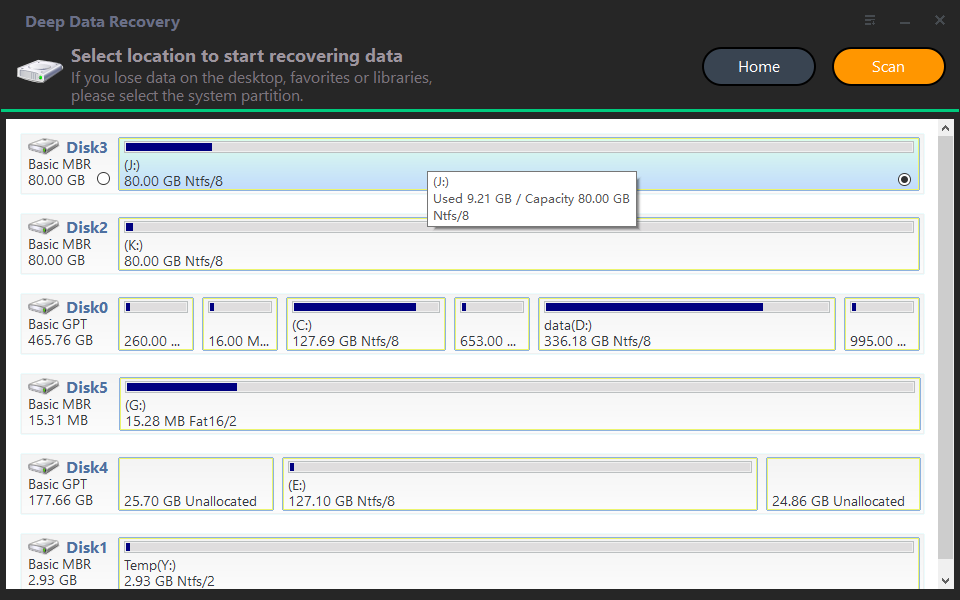
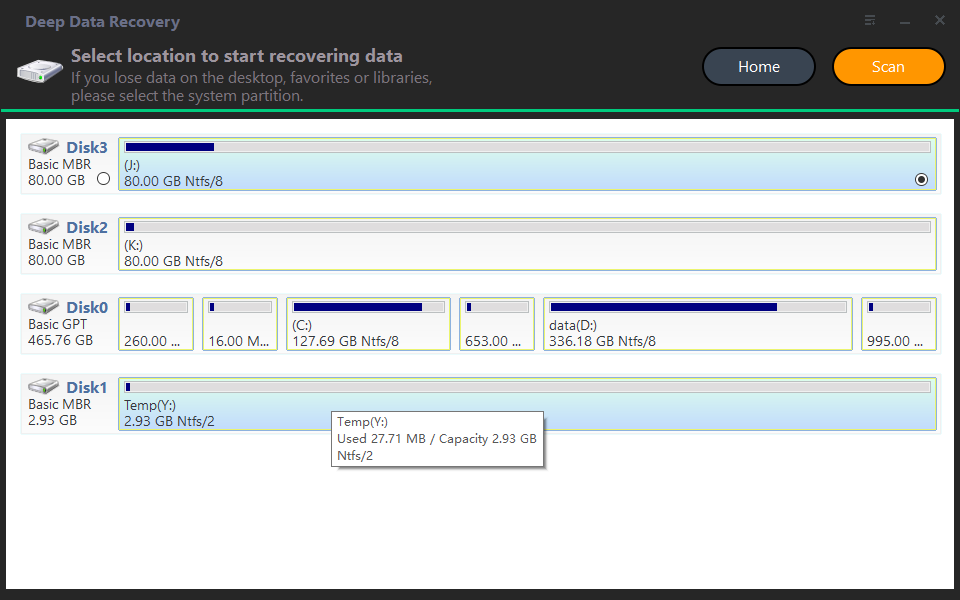
Step 3. Select the exFAT drive as the location to scan. If you are recovering from the Recycle Bin, scan the original drive where the files were stored.
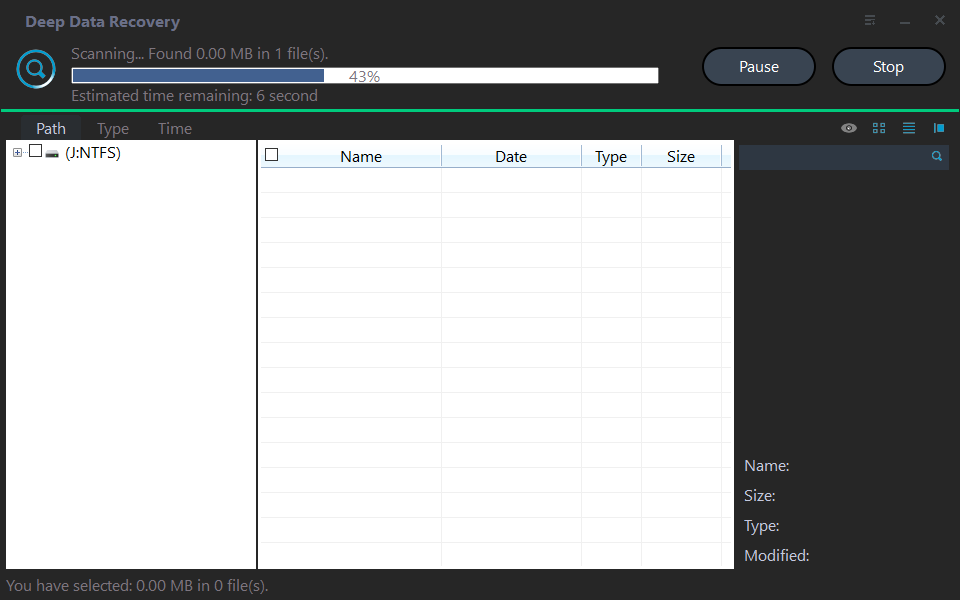
Step 4. Wait for the scan to finish. Use file type, name, path, and date filters to narrow the results.
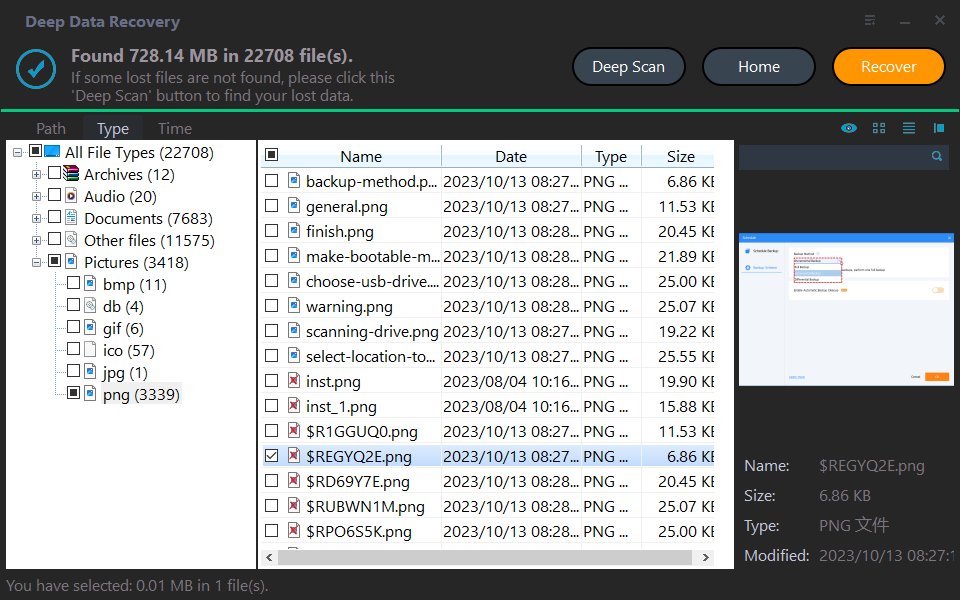
Step 5. Preview recoverable files, select the items you need, and recover them to another disk or external drive.
Step 6. Open several recovered files to confirm they are usable. If important files are missing, run a deeper scan before writing new data to the source drive.
Function. Format or recreate the volume after backup
Step 1. Confirm the backup or recovery result before formatting the exFAT partition. Formatting will remove the current file system entries.
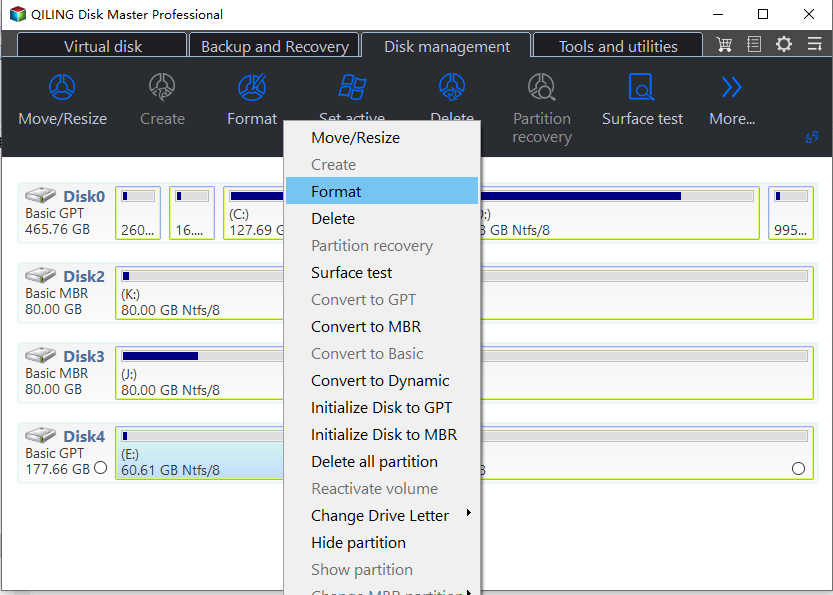
Step 2. In Qiling Disk Master, select the exFAT partition and choose the format operation.
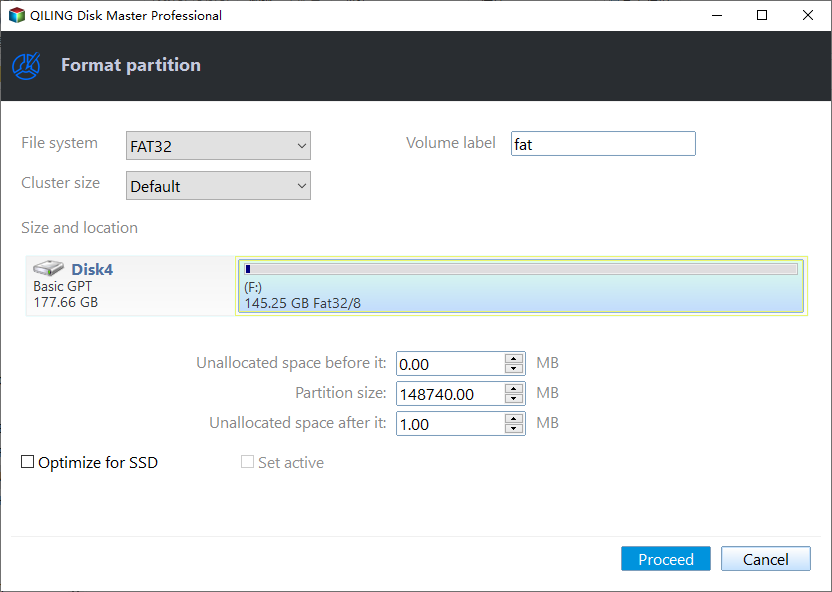
Step 3. Set the file system to exFAT. Check the volume label, cluster size, and target drive letter.
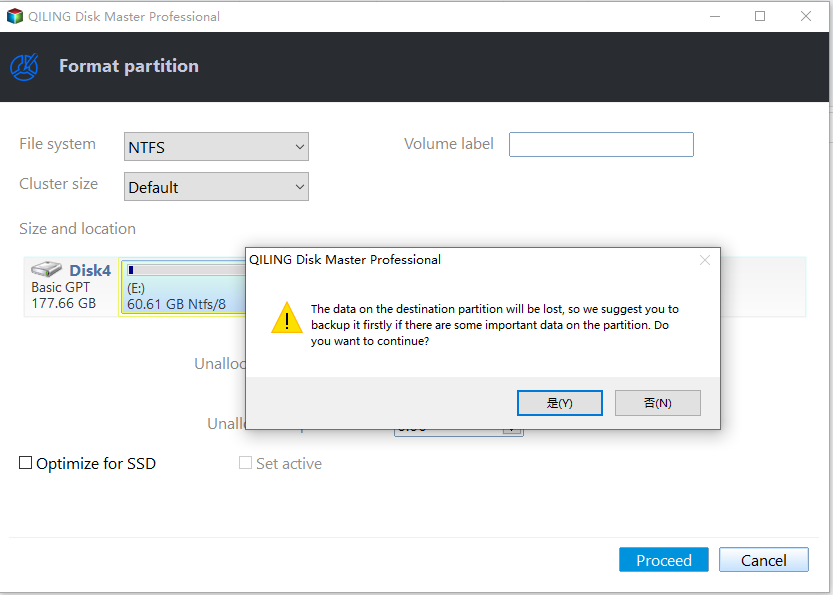
Step 4. Review the pending operation and click Proceed. After formatting, copy test files to confirm the volume works normally.
Check the result
After repair or formatting, copy a test file to the exFAT drive, delete it, and reconnect the drive to confirm the change is saved.
Related Articles
-
Recover Deleted Files from exFAT
Recover deleted files from an exFAT drive before formatting or repair. -
Format SD Card to exFAT
Format removable storage to exFAT when large-file support is needed.
Products
Articles & Tutorials
- Data Recovery
- Data Backup
- File Recovery
- File Backup
- File synchronize
- System Backup and Restore
- Disk and Partition Clone
- Technical articles
- Disk Master Help
- Windows Deleted File and Disk Recovery Tutorials
- Windows File and Data Recovery Tutorials
- More Windows Tutorials for Install, Security, Files, and PC Tips
- Windows Boot, Repair, and Recovery Environment Tutorials
- Windows Backup Tutorials
- Windows Restore Tutorials
- Windows Clone and Migration Tutorials
- Windows Server Backup, Recovery, and Management Tutorials
- Windows Disk, Partition, and Storage Management Tutorials