How to Ghost a Hard Drive of Windows 7/8/10/11 (Easy and Safe)
What does ghost a hard drive mean?
Ghosting a hard drive involves creating a backup of the entire operating system, settings, system configurations, applications, and personal data onto a separate hard disk. This process creates a copy of the system that can be used to restore the computer to its previous state in case of a hard disk failure, system crash, or virus attack, making it a useful recovery tool for Windows 7, 8, 10, 11, and previous systems.
Ghosting a hard drive is beneficial for data protection, as it allows you to preserve your data even if the drive fails. If the drive is a system disk, ghosting can also help you avoid system reinstallation and data loss. Some users ghost Windows 7 to a new hard drive or another drive for disk upgrade, while others ghost to a solid state drive (SSD) for better performance.
Best free ghost software for Windows 7, 8, 10, 11
While it's technically possible to use Backup and Restore in Windows 7 to ghost a hard drive, this tool has many limitations, such as inability to back up to a USB drive and requiring the disk to be formatted as NTFS. Therefore, it's recommended to explore alternative software for a more effective and flexible solution.
Qiling Disk Master Standard is a good choice for creating Windows 7 ghost images for all computers, and it also applies to other systems like Windows 10. This software provides many features to help with the process, making it a convenient option.
- Schedule Backup: It supports backing up disk daily, weekly, or monthly, ensuring files and all changes are kept.
- Incremental Backup: It allows you to backup only changed files, saving time and disk space, and also compress or split the backup image to make it smaller.
- Offline restore: A bootable USB allows you to boot your computer and run tasks like backup, restore, sync, or clone without needing to boot into Windows, which is helpful when the computer won't start.
How to make ghost image of Windows 7
To make a ghost image of Windows 7, start by downloading and installing Qiling Disk Master Standard, a free software, on your computer.
This version only supports Windows 11, 10, 8, 7, XP and Vista operating systems. For server users, you may want to try Qiling Disk Master Server instead.
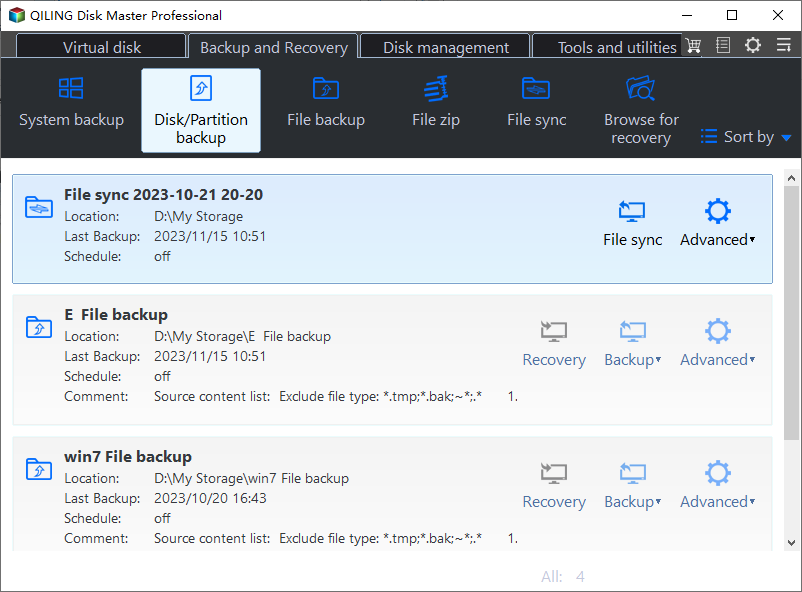
1. Run Qiling Disk Master and you'll see its user-friendly main interface. To proceed, choose the Disk Backup option under the Backup tab.
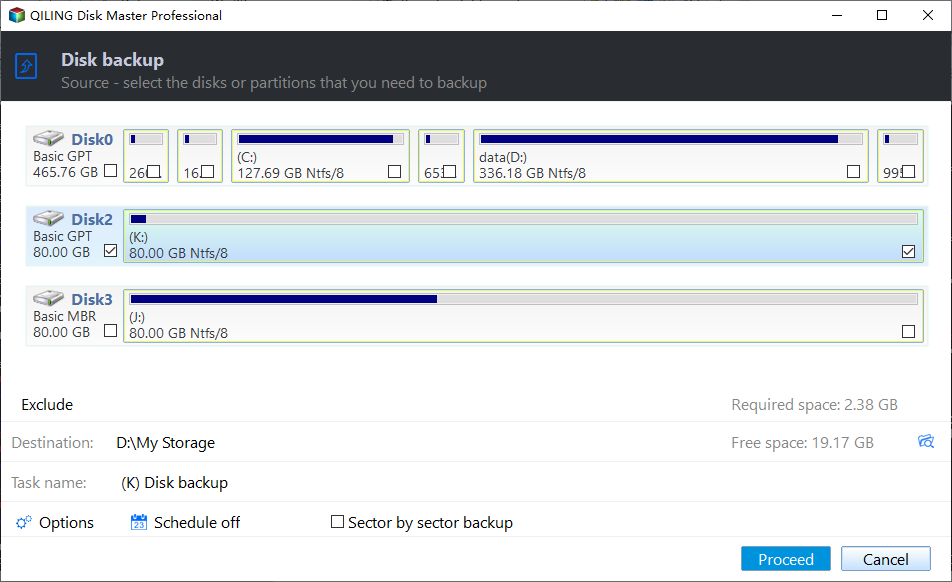
Select the current hard drive as the source disk and choose a destination path to store the Ghost image.
Notes:
- Backing up multiple disks simultaneously is possible, but the restoration process still requires individual disks to be restored one by one.
- You can choose to clone your hard drive to another storage device, such as an external hard drive, USB drive, network drive, or NAS, allowing you to create a backup of your data and ensure its safety in case of a system failure or other issues.
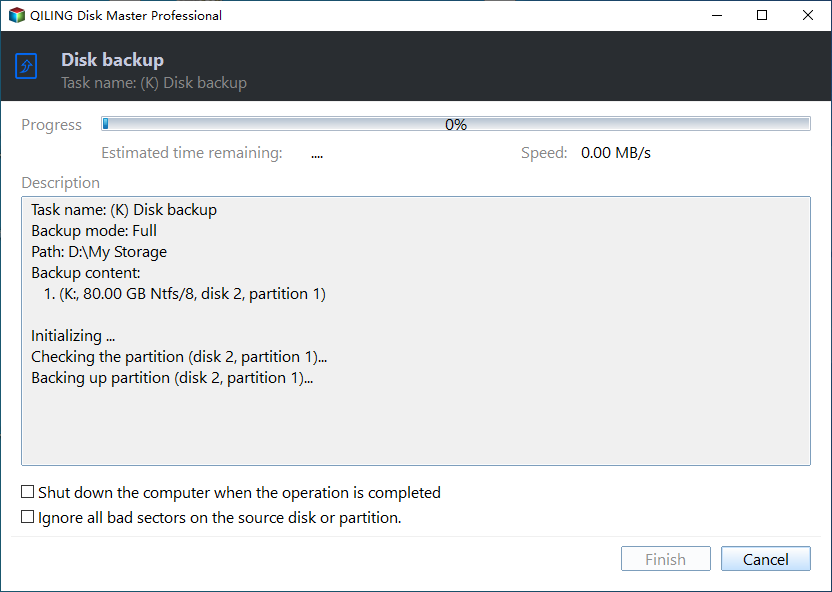
3. To ghost a hard drive in Windows 7, confirm the operation and click "Proceed" to initiate the process.
Tips on ghosting a hard drive more efficiently:
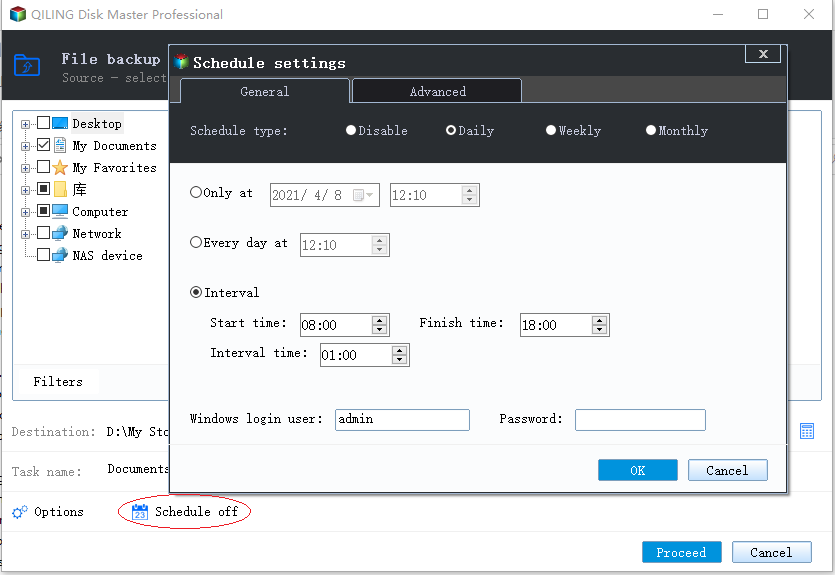
- Set scheduled task: You can set backup tasks to run automatically with different frequencies such as daily, weekly, or monthly, which are all free. Additionally, the professional version offers more advanced features like event triggers and USB plug-ins.
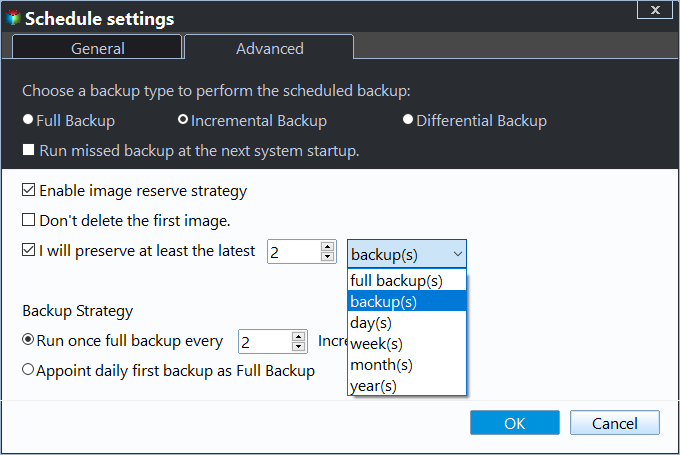
- Make backup image smaller: This software automatically compresses or splits backup images, backs up only changed files with incremental backups, and offers additional features like differential backup and automatic cleanup of old backup images in its premium version.
- Other features: You can encrypt backup images with a password to prevent data leakage, enable email notifications, adjust compression levels, and choose between intelligent sector backup and sector-by-sector backup, among other options.
Another way to ghost Windows 7 hard drive
If you want to ghost your Windows 7 hard drive, you can also use a cloning method instead of creating an image file. This will copy the operating system, personal data, and installed programs directly to the new disk, without compressing them into an image file. As a result, you won't need to restore the image file before accessing the disk's data. For more detailed instructions, you can refer to the page on cloning a Windows 7 hard drive.
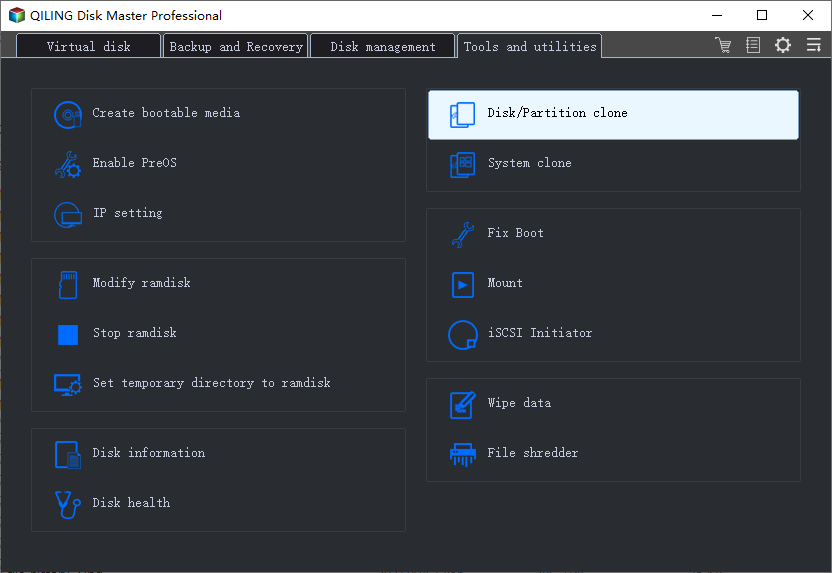
The main differences between backup and cloning methods for data protection lie in the approach and purpose of each. While backups aim to preserve data integrity by creating a copy of the original, often in a separate location, cloning involves creating an exact replica of the original data, including all its attributes and properties.
- Initial intention: The backup method prioritizes long-term data security, whereas the cloning method is a one-time solution.
- Operating Principle: The cloning method allows for direct replacement of a damaged hard drive or a system crash without the need for a restore, making it a more convenient option.
- Required devices: To use the backup method, you'll need a hard drive for the backup images and one additional device to store them temporarily. In contrast, the cloning method only requires a destination drive, making it a more straightforward process.
- Disk space requirement: The cloning method requires a backup device with more space, while the backup method can automatically delete old backups, requiring less demanding storage. The space needed for cloning depends on the used space of the hard drive in Windows 7.
Summary
With the help of free backup software - Qiling Disk Master Standard, you can easily ghost a hard drive in Windows 7, allowing you to perfectly clone and backup your system. This process enables you to ghost your system to a new hard drive, making it a convenient and efficient way to upgrade or replace your existing drive, as explained in more detail in the article on ghosting Windows 10 OS.
To avoid having a full backup disk, you can automatically back up your Windows 7 hard drive to a new one on a daily, weekly, or monthly basis. This can eventually lead to a backup disk full due to limited space and accumulated backups. To prevent this, you can upgrade your backup system before deleting old backup images using cleanup methods. Simply download and try it out!
Related Articles
- Use Freeware to Clone Windows 7 to New Hard Drive Without Reinstallation
This guide explains Use Freeware to Clone Windows 7 to New Hard Drive Without Reinstallation with clear steps, key checks, and practical tips. - How Do You Mirror a Hard Drive to SSD in Windows 7/8/10
This guide explains How Do You Mirror a Hard Drive to SSD in Windows 7/8/10 with clear steps, key checks, and practical tips. - How Do You Fix External Hard Drive Won't Format in Windows 10/8/7?
If your external hard drive won't format or you have received "the format did not complete successfully" when you format your external hard drive, this post will help you to solve the problem with several practical ways. - Use EZ Gig IV Handy Alternative to Migrate OS to SSD
You can use a free alternative to EZ Gig IV to migrate your OS from a hard drive (HDD) to a smaller solid state drive (SSD) with easier operation. This page will guide you through using a different tool for OS migration. - Best NAS Ransomware Protection | 2 Things You Should Do
Your NAS is probably vulnerable to ransomware virus. Take the NAS ransomware protection actions immediately to protect your NAS from Ransomeware. - Petya Ransomware Removal and Protection
To do Petya ransomware removal, switch off power supply, disconnect network, block port 445/139, backup key files, install Windows March patch MS17-010, install antivirus software and keep away from dangerouswebsites.
Products
Articles & Tutorials
- Data Recovery
- Data Backup
- File Recovery
- File Backup
- File synchronize
- System Backup and Restore
- Disk and Partition Clone
- Technical articles
- Disk Master Help
- Windows Deleted File and Disk Recovery Tutorials
- Windows File and Data Recovery Tutorials
- More Windows Tutorials for Install, Security, Files, and PC Tips
- Windows Boot, Repair, and Recovery Environment Tutorials
- Windows Backup Tutorials
- Windows Restore Tutorials
- Windows Clone and Migration Tutorials
- Windows Server Backup, Recovery, and Management Tutorials
- Windows Disk, Partition, and Storage Management Tutorials