Set a Partition as Primary in Windows
Primary partitions are important on MBR disks, especially when boot files or operating systems are involved. On GPT disks, the old primary/logical distinction does not apply the same way.
Understand the problem
Before changing partition type, confirm whether the disk is MBR or GPT and whether the partition contains boot files, recovery data, or personal files.
- Confirm the disk, partition, file system, Windows version, boot mode, or update state before making changes.
- Back up or recover important files before conversion, deletion, formatting, cleanup, reimage, or boot repair.
- For boot-related work, check BIOS or UEFI mode, boot order, system partition status, and recovery media first.
Use Windows built-in tools
Use Windows tools only when the layout supports your plan.
- Open Disk Management and check disk style.
- Back up the target partition.
- If the disk is MBR, review existing primary partitions and logical drives.
- Do not delete a logical partition unless its files are protected.
- Create a new primary partition from unallocated space if needed.
Use Qiling tools for guided steps
 Qiling Disk Master
Create or resize partitions with a visible preview before changing an MBR disk layout.
Function. Back up important files before repair or conversion
Step 1. Connect an external drive or choose another safe destination with enough space for files on the partition being changed.
Step 2. Open Qiling Disk Master and choose File Backup. A backup gives you a rollback point before Windows repair, disk conversion, cleanup, or installation work.
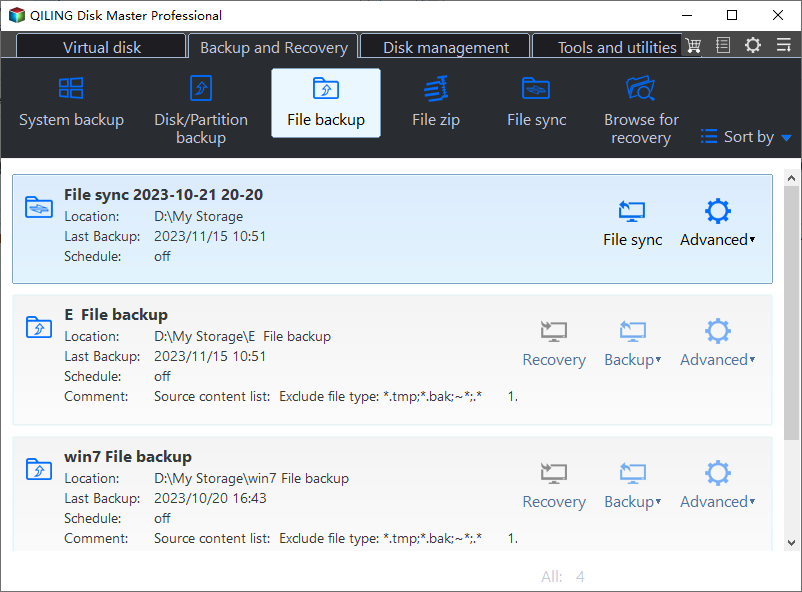
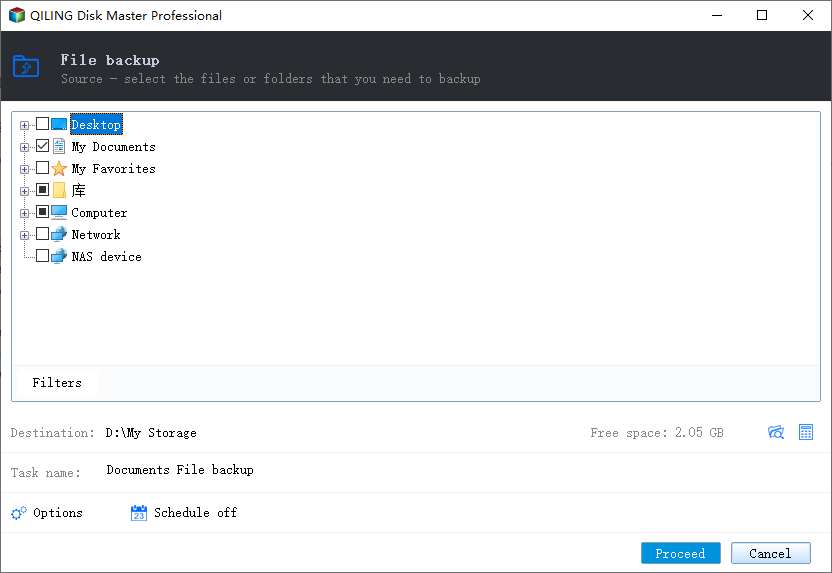
Step 3. In the tree control, select the files and folders that must be protected. Protect data before deleting, recreating, or rebuilding a partition
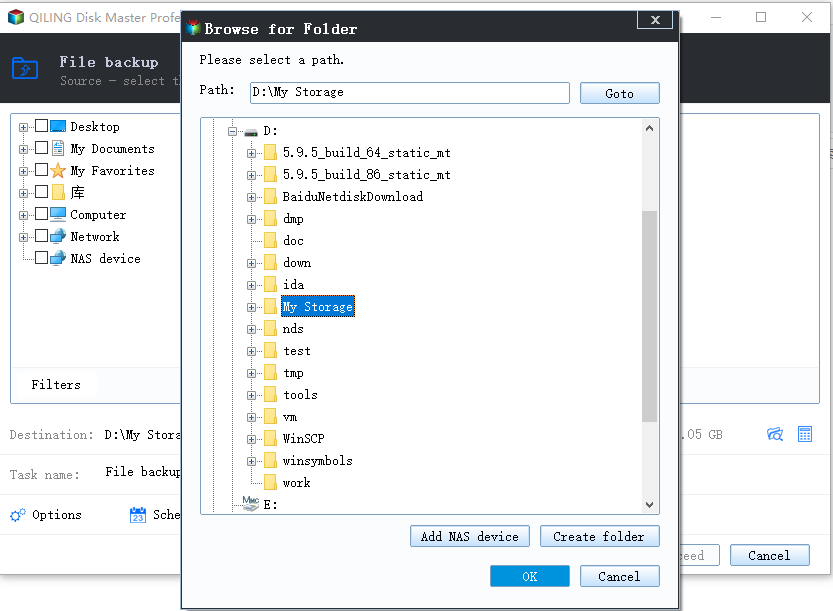
Step 4. Choose another internal disk, external drive, NAS folder, or network path as the destination. Avoid saving the backup on the partition that will be changed.
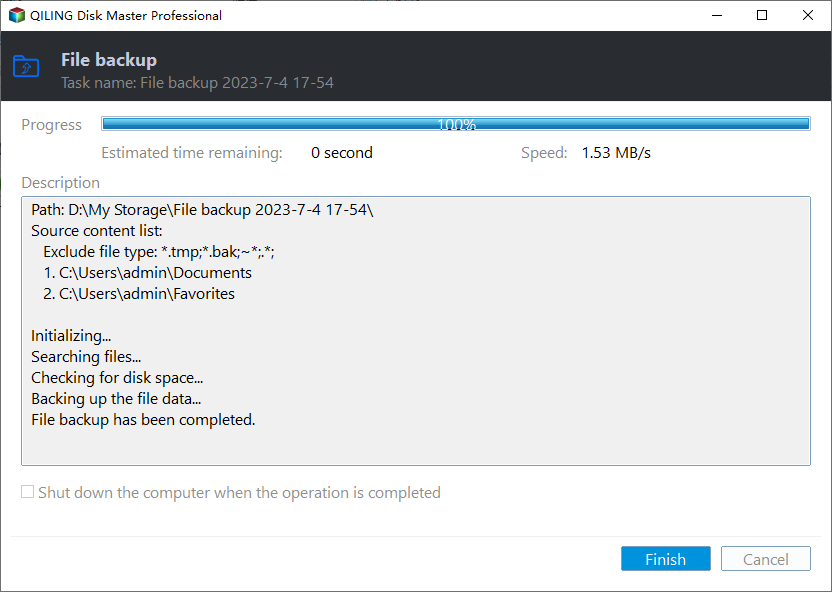
Step 5. Review the task and click Proceed. Wait for the backup to finish before continuing.
Function. Create a partition with clear settings
Step 1. Back up important data on the MBR disk. If no unallocated space exists, shrink a partition first.
Step 2. In Qiling Disk Master, right-click unallocated space on the MBR disk and choose Create Partition.
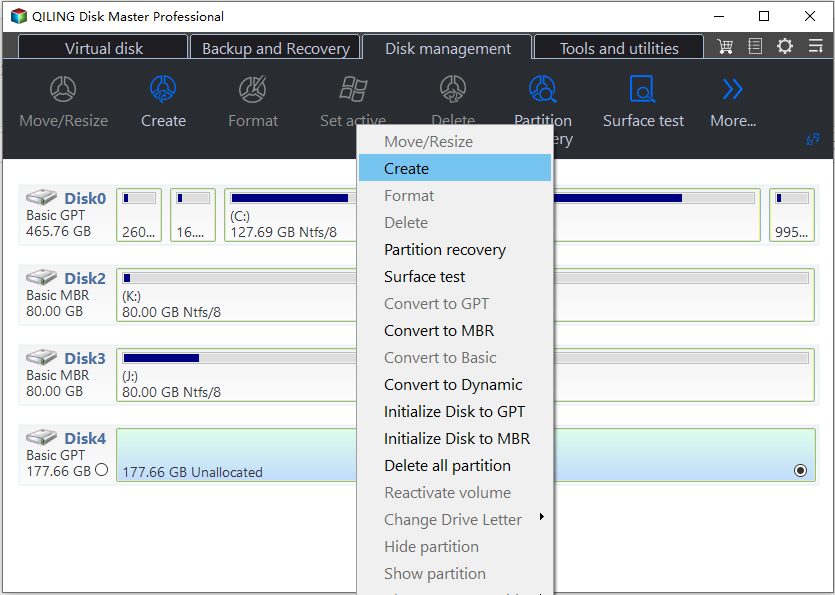
Step 3. Set the size, drive letter, file system, and label for a primary partition for boot, data, or installation use.
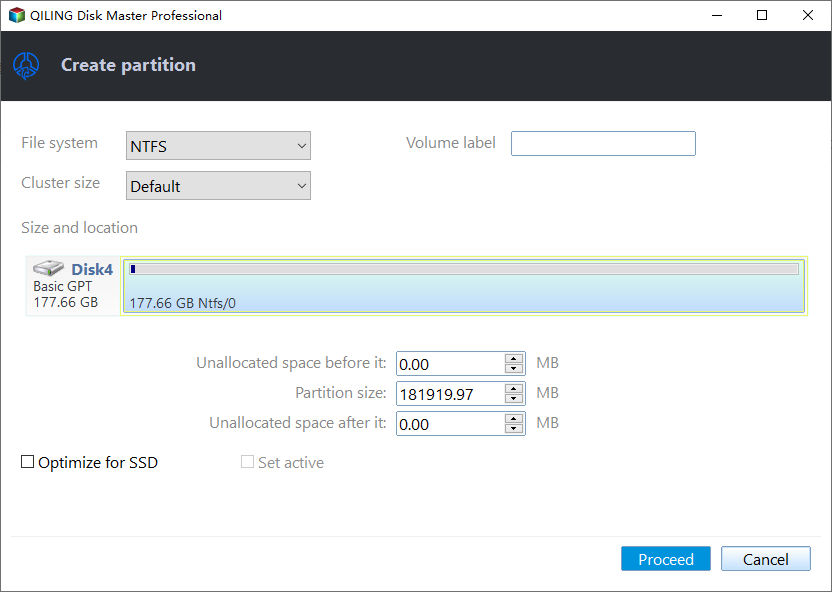
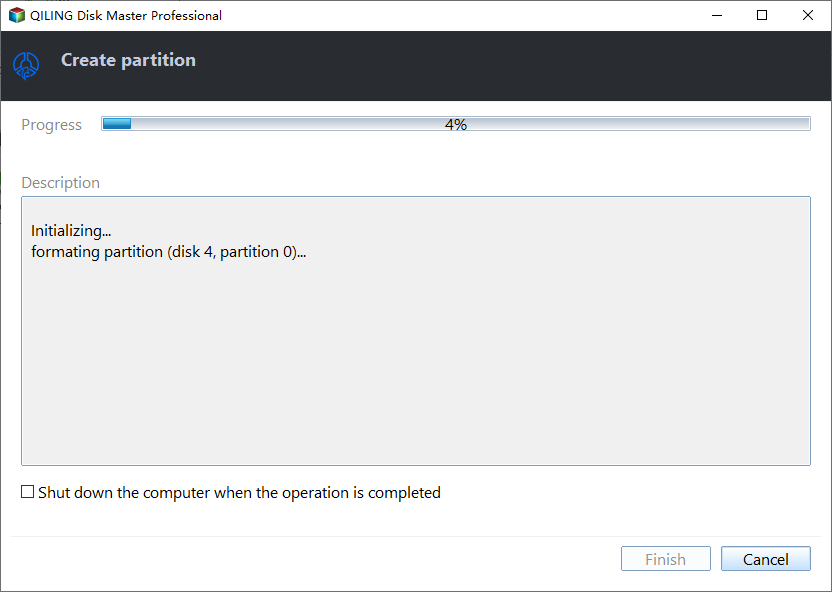
Step 4. Check the preview and click Proceed. After completion, confirm the partition in File Explorer.
Check the result
After the change, confirm the partition type and drive letter in Disk Management. For boot partitions, restart and verify Windows starts normally.
Related Articles
-
Set Active Partition
Set the correct active partition when working with MBR boot disks. -
Make Partition Bootable
Understand bootable partition requirements before changing partition type.
Products
Articles & Tutorials
- Data Recovery
- Data Backup
- File Recovery
- File Backup
- File synchronize
- System Backup and Restore
- Disk and Partition Clone
- Technical articles
- Disk Master Help
- Windows Deleted File and Disk Recovery Tutorials
- Windows File and Data Recovery Tutorials
- More Windows Tutorials for Install, Security, Files, and PC Tips
- Windows Boot, Repair, and Recovery Environment Tutorials
- Windows Backup Tutorials
- Windows Restore Tutorials
- Windows Clone and Migration Tutorials
- Windows Server Backup, Recovery, and Management Tutorials
- Windows Disk, Partition, and Storage Management Tutorials