Fix KMODE_EXCEPTION_NOT_HANDLED in Windows 11
KMODE_EXCEPTION_NOT_HANDLED means that an exception in kernel mode was not handled successfully. The blue screen may name a driver, but the stop code alone does not establish whether the underlying cause is software, memory, or another hardware problem.
Start with the circumstances of the crash. A failure immediately after installing a network driver deserves a different first step from crashes that occur randomly in several unrelated applications.
Collect clues and establish a stable starting point
Photograph the stop code and any filename. Note new devices, drivers, security software, firmware changes, or memory upgrades. Search for View reliability history after Windows starts and compare the first failure with recent changes.
If normal startup fails, enter Windows Recovery Environment from recovery or installation media and open Troubleshoot > Advanced options > Startup Settings. Restart into Safe Mode. Have the BitLocker recovery key ready if required.
A computer that works in Safe Mode may have a driver or startup-software conflict, but that observation is not proof that every hardware component is healthy. Avoid running stress tests before saving important files.
Preserve files before changing drivers or recovering Windows
When the computer can run reliably enough, connect an external backup disk. Do not store the only backup on the same internal drive you are troubleshooting.
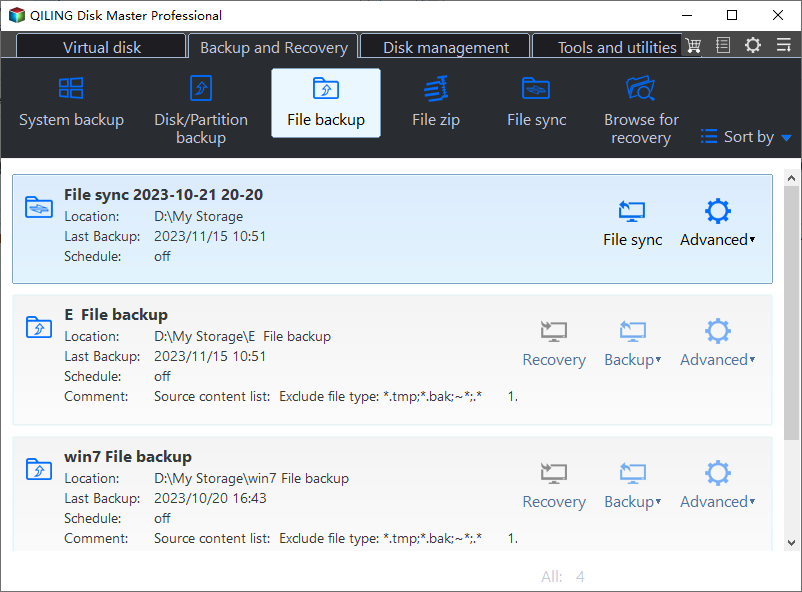
Step 1. Open Qiling Disk Master and select File Backup.
Step 2. Select important folders directly in the tree control. Include exported application data and documents from all relevant user accounts.
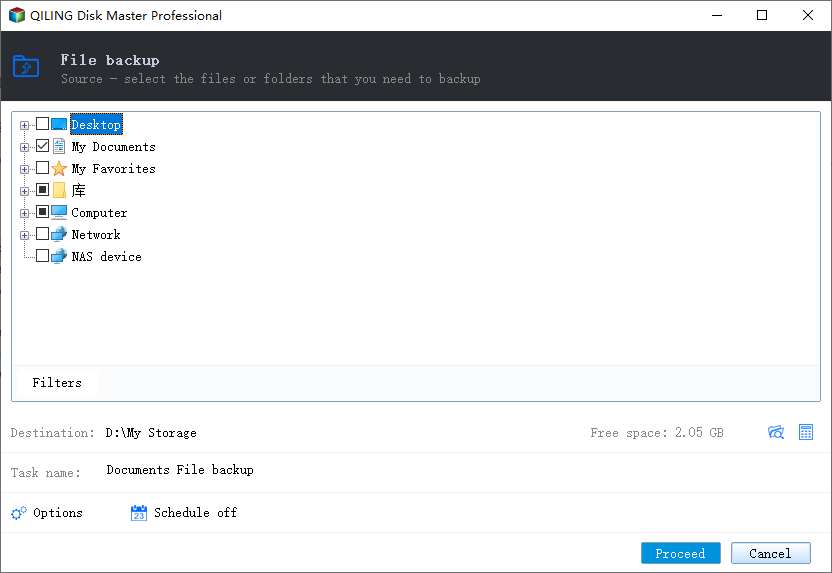
Step 3. Choose a folder on the external disk and click Proceed. Check the completed backup through the restore interface. If Windows crashes during every attempt, stop relying on that environment and arrange an offline recovery method.
Repair the driver most closely associated with the failure
Step 1. Open Device Manager and locate the device named in the crash or changed immediately beforehand. A filename should be matched to its legitimate driver package, not downloaded independently from an unknown DLL website.
Step 2. Open the device's properties and Driver tab. If the failure started after an update, use Roll Back Driver when available. Otherwise download the correct package from the PC or device manufacturer.
Step 3. Follow the vendor's installation instructions, restart, and test the original trigger. Be particularly careful with storage-controller drivers: switching controller modes or removing boot-critical drivers can stop Windows from starting.
Step 4. If a newly installed utility or security product is implicated, use its publisher's supported repair or removal procedure. Keep an appropriate security solution active rather than leaving the computer unprotected.
Test startup behavior and memory separately
If the crash happens after shutdown and power-on but not after Restart, test Fast Startup as a specific hypothesis. Open Control Panel's Power Options, choose what the power buttons do, unlock currently unavailable settings, and temporarily clear Turn on fast startup if shown. Save, shut down, and test. Restore the setting if it makes no difference.
For random crashes, save work and run mdsched.exe. Choose a restart time for Windows Memory Diagnostic and review its result afterward. Memory errors need hardware investigation; a pass does not rule out every intermittent fault.
If you recently changed memory timing or overclocking, return to documented stable settings. Firmware updates should come from the exact model's manufacturer and should not be attempted while power or system stability is unreliable.
Repair system files and choose a recovery path
On a stable running installation, open Terminal as administrator and run each command to completion:
DISM /Online /Cleanup-Image /RestoreHealth
sfc /scannow
These repair Windows components; they do not repair faulty RAM. If a recent change still prevents startup, consider an available restore point or the recovery environment's uninstall-update option after preserving files.
Recurring failures without a clear driver should be investigated using the crash dumps and hardware diagnostics by a qualified technician. Restoring a known-good system image is an option after backup, but a successful reinstall does not prove the original hardware is fault-free. Do not run Driver Verifier casually on a production PC because it can deliberately trigger additional crashes.
Related Articles
- INVALID_DATA_ACCESS_TRAP in Windows 11
Use crash timing, recent changes, and hardware checks to narrow down a Windows stop error. - Windows 11 Update Blue Screen
Review recovery choices when a Windows update is followed by repeated crashes.
Products
Articles & Tutorials
- Data Recovery
- Data Backup
- File Recovery
- File Backup
- File synchronize
- System Backup and Restore
- Disk and Partition Clone
- Technical articles
- Disk Master Help
- Windows Deleted File and Disk Recovery Tutorials
- Windows File and Data Recovery Tutorials
- More Windows Tutorials for Install, Security, Files, and PC Tips
- Windows Boot, Repair, and Recovery Environment Tutorials
- Windows Backup Tutorials
- Windows Restore Tutorials
- Windows Clone and Migration Tutorials
- Windows Server Backup, Recovery, and Management Tutorials
- Windows Disk, Partition, and Storage Management Tutorials