Windows 11 22H2 Blue Screen: Identify the Cause and Recover
A blue screen after a Windows 11 22H2 update may involve a driver, damaged system files, or failing hardware. The update's timing is useful evidence, but it does not identify the cause by itself. Record the stop code and any named driver before choosing a repair.
This guide addresses an existing 22H2 installation. After stabilizing it, plan a move to a supported Windows release compatible with the hardware instead of reinstalling an old release as a long-term solution.
Record the failure and try a minimal startup
- Photograph the stop code and any file name shown on screen. Note whether the crash occurs before sign-in, after sign-in, or when opening a specific application.
- Shut down and disconnect recently added, nonessential USB devices. Keep the keyboard, display, and necessary system storage connected.
- Start the computer once. If it works, reconnect devices one at a time and check whether the same failure returns.
- If the drive is making abnormal noises or repeatedly disappearing, prioritize copying important data rather than running repeated repair scans.
A changing stop code, memory errors, or crashes outside Windows can point toward hardware. Do not assume every blue screen is caused by the last cumulative update.
Enter Safe Mode and isolate a driver change
- If sign-in is available, hold Shift while selecting Restart. If Windows never reaches sign-in, boot official installation media and choose Repair your computer.
- Open Troubleshoot > Advanced options > Startup Settings > Restart, then select Safe Mode if this option is available. Be ready to provide the BitLocker recovery key.
- Open Device Manager. For a device changed just before the crashes, inspect Properties > Driver and use Roll Back Driver when available.
- If rollback is unavailable, obtain a compatible driver from the PC or component manufacturer. Avoid third-party driver bundles and changing every driver at once.
- Restart normally and retest the activity that triggered the crash.
Repair system files or reverse the implicated update
If Windows can run normally, open an administrator Command Prompt and run the following commands one at a time:
DISM /Online /Cleanup-Image /RestoreHealth
sfc /scannow
Wait for each command to finish and record its result. The /Online option targets the running operating system; do not assume it repairs an offline Windows installation when typed in recovery.
For a failure tied to a recent cumulative update, use Advanced options > Uninstall Updates > Uninstall latest quality update in recovery if available. A feature-version rollback is a different operation and may no longer be available. Choose the option matching what actually changed.
If a restore point predates the fault, System Restore can reverse relevant system changes. Review affected programs before confirming. It is not a backup of personal documents.
Save accessible files before reset or reinstallation
Once Windows runs stably enough for a backup, protect your current files with Qiling Disk Master. If the PC still crashes during ordinary reads, use recovery assistance instead of repeatedly attempting a large backup.
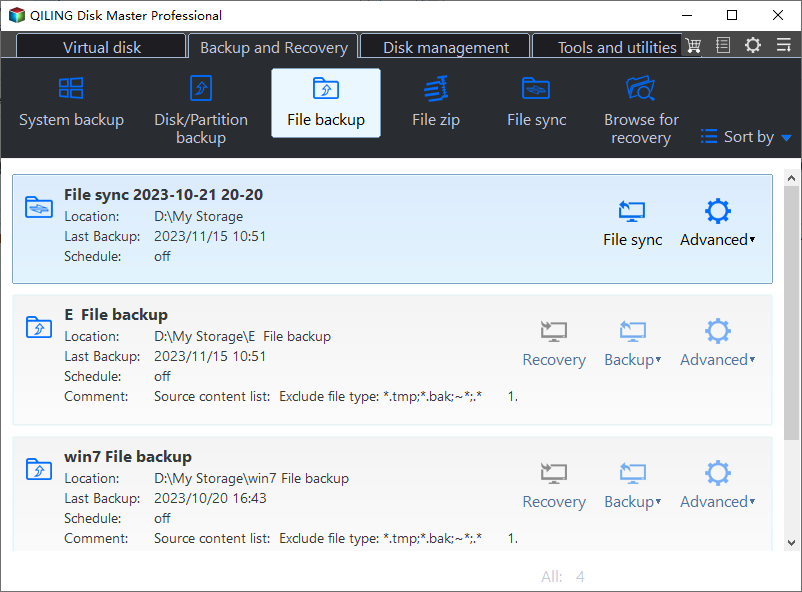
Step 1. Attach a separate external drive, open Qiling Disk Master, and select File backup.
Step 2. Select the affected user's folders in the tree control. Include any documents changed after the latest existing backup.
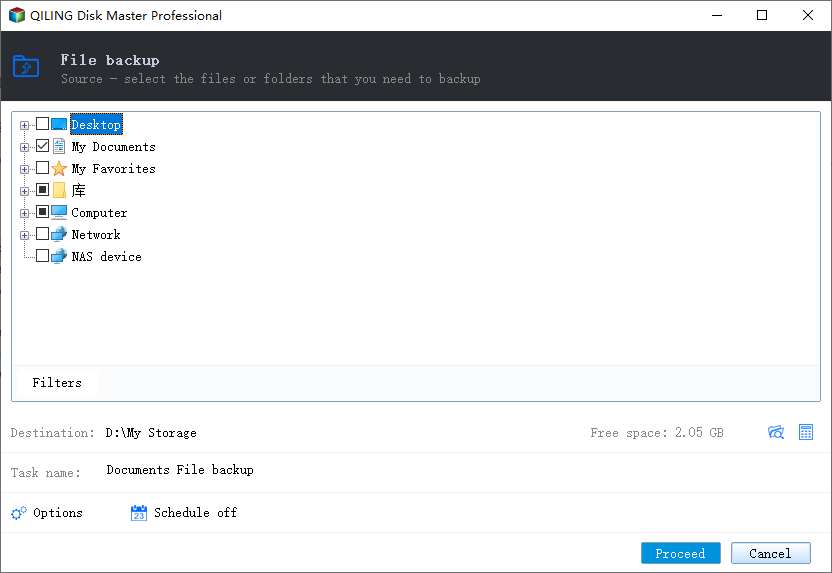
Step 3. Set the destination to the external drive and click Proceed after reviewing both paths. Restore a sample into a separate folder and confirm it opens.
After repair, test several normal restarts and the original workload. Preserve minidump files and seek stop-code-specific diagnosis if crashes continue. A reset should follow backup and diagnosis, not replace them.
Related Articles
- Diagnose Random PC Crashes
Use the crash pattern to distinguish software changes from hardware instability. - Windows 11 Update Stuck
Handle an incomplete update separately from a repeatable blue-screen failure.
Products
Articles & Tutorials
- Data Recovery
- Data Backup
- File Recovery
- File Backup
- File synchronize
- System Backup and Restore
- Disk and Partition Clone
- Technical articles
- Disk Master Help
- Windows Deleted File and Disk Recovery Tutorials
- Windows File and Data Recovery Tutorials
- More Windows Tutorials for Install, Security, Files, and PC Tips
- Windows Boot, Repair, and Recovery Environment Tutorials
- Windows Backup Tutorials
- Windows Restore Tutorials
- Windows Clone and Migration Tutorials
- Windows Server Backup, Recovery, and Management Tutorials
- Windows Disk, Partition, and Storage Management Tutorials