What Is Windows To Go? Portable Windows, Limitations, and Alternatives
Windows To Go was Microsoft's way of running a managed Windows workspace from a supported external USB drive. A user could start a compatible computer from that drive and work in the portable installation rather than the operating system on the internal disk.
It is now a legacy feature, not a built-in Windows 11 deployment option. Before following an old Windows To Go tutorial, distinguish its historical requirements from what current Windows releases support.
Three USB drives that serve different purposes
A Windows installation USB starts Windows Setup and installs an operating system onto a destination disk. A recovery USB starts repair or backup-restoration tools. A Windows To Go workspace contains an installed Windows environment intended to run from the external drive itself.
These are not interchangeable. Copying an ISO onto a USB drive does not automatically create a working portable Windows installation. Likewise, cloning a normal internal Windows installation to USB does not guarantee that it will start reliably as a portable workspace.
Historical requirements and present limitations
The Microsoft feature was associated with supported Enterprise and Education deployments, certified USB hardware, compatible host computers, and suitable licensing. USB random-write performance mattered: a cheap flash drive could appear large enough but perform poorly under normal desktop workloads.
Microsoft removed Windows To Go beginning with Windows 10 version 2004. See Microsoft's removed Windows features documentation. An older tutorial showing a Control Panel Windows To Go wizard therefore does not describe a feature available on a current Windows 11 PC.
A portable system still needs appropriate hardware drivers, firmware compatibility, activation rights, and security maintenance. It cannot make every computer compatible with Windows 11. Starting it on an untrusted host also exposes the workspace to risks that portable storage alone cannot prevent.
How the legacy creation process worked
The following explains the old workflow for an authorized legacy lab or maintained organizational environment. It is not a recommendation to deploy an unsupported Windows release for everyday internet access.
Step 1. Confirm that the intended Windows edition, host hardware, certified external drive, and deployment rights meet the historical requirements. Obtain the approved Windows image from the organization, not an unofficial download site.
Step 2. Copy all existing files off the external drive. In the supported legacy environment, open the Windows To Go creation wizard and select that drive by its model and capacity. The creation process repartitions it.
Step 3. Supply the approved Windows image when requested. Configure workspace encryption according to organizational policy and store the recovery information separately from the USB drive.
Step 4. Review the destination and start creation. Keep the device attached until the wizard reports completion, then shut down before starting the workspace from the host's boot menu.
Step 5. Complete initial device setup, verify applications and network access, and shut down fully before removing the drive. Do not assume it is safe to unplug a running Windows workspace like an ordinary document USB.
Back up files from an existing portable workspace
External boot drives are easy to lose and can wear out. File backup protects selected documents, but does not convert an unsupported workspace into a supported installation or create a bootable replacement by itself.
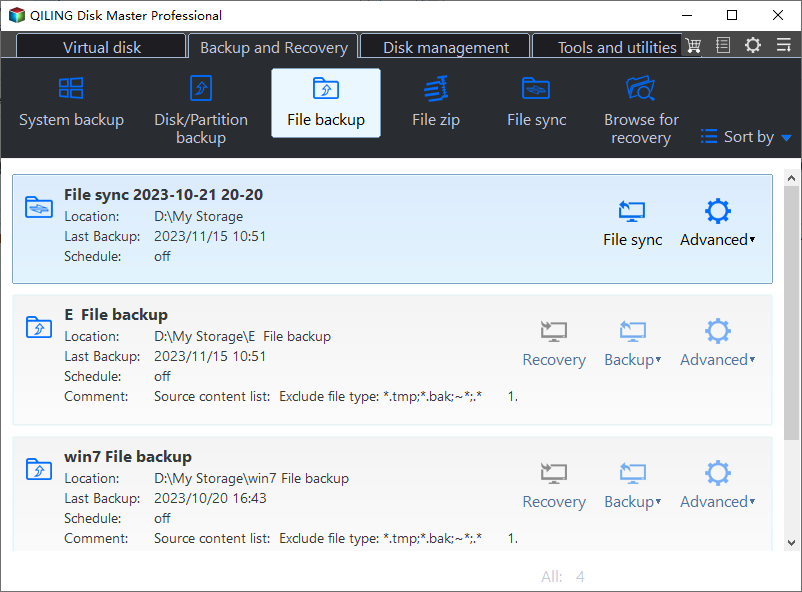
Step 1. Start the workspace on trusted hardware and connect a second storage device for backups. Open Qiling Disk Master and select File Backup, provided the installed version supports this Windows environment.
Step 2. Use the folder tree to select work documents, project folders, and exported application data. Make cloud-only files available locally first.
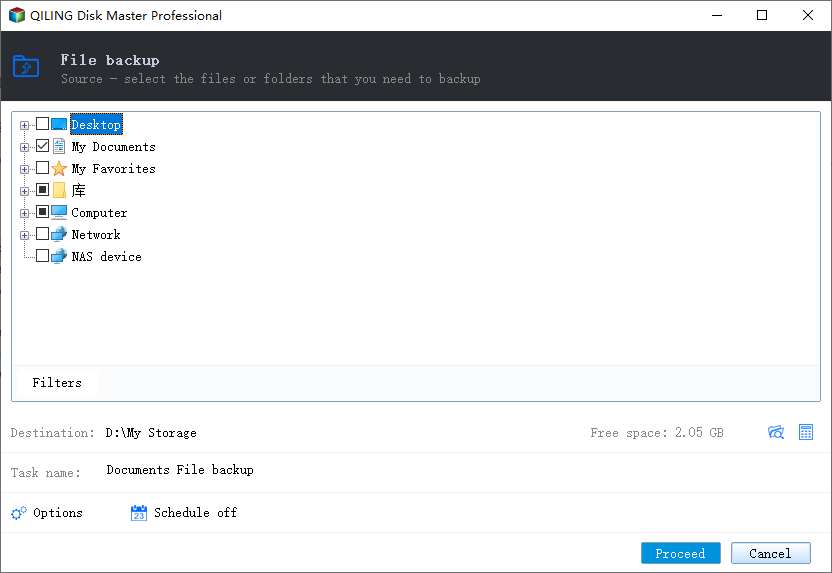
Step 3. Select a backup folder on the second device. Confirm that it is not on the portable system drive, then click Proceed. Check that the completed image can be opened for restoration before relying on it.
Choose an alternative that matches the job
For repairs, create recovery media. For installing Windows, use official installation media. For accessing a managed desktop from several computers, consider an organization-approved remote desktop or virtual desktop service. A virtual machine can isolate a test environment when the host has sufficient resources and appropriate licenses.
Third-party portable-Windows tools have their own supported configurations and limitations. Verify those requirements before erasing a USB device, and do not treat their availability as renewed Microsoft support for Windows To Go.
Related Articles
- Windows Bootable USB with Qiling Disk Master
Review the intended purpose of a bootable USB before choosing a deployment or recovery workflow. - Roll Back from Windows 11 to Windows 10
Compare rollback and image restoration while protecting files created after an upgrade. - Copy a Laptop OS to a USB Drive
Choose between portable Windows, installer and recovery USB media, and a cloned system drive before copying.
Products
Articles & Tutorials
- Data Recovery
- Data Backup
- File Recovery
- File Backup
- File synchronize
- System Backup and Restore
- Disk and Partition Clone
- Technical articles
- Disk Master Help
- Windows Deleted File and Disk Recovery Tutorials
- Windows File and Data Recovery Tutorials
- More Windows Tutorials for Install, Security, Files, and PC Tips
- Windows Boot, Repair, and Recovery Environment Tutorials
- Windows Backup Tutorials
- Windows Restore Tutorials
- Windows Clone and Migration Tutorials
- Windows Server Backup, Recovery, and Management Tutorials
- Windows Disk, Partition, and Storage Management Tutorials