How to Recover Data after Blue Screen of Death
Quick Navigation:
- Part 1. How to Recover Files after Blue Screen of Death
- Data recovery software from blue screen – Deep Data Recovery
- Your Safe & Effective Data Recovery Program
- Part 2. How to Fix Blue Screen of Death on Your Computer
Unfortunately, recovering files from a Blue Screen of Death (BSOD) can be challenging, as the system crash often results in data loss. However, there are some possible ways to try and recover your files. You can try using data recovery software like Recuva or Deep Data Recovery Wizard, which can scan your system for deleted files and try to recover them. You can also try using a Linux live USB to access your files, as the Linux system may be able to read your Windows files even if Windows itself is not functioning. If you're unable to recover your files using these methods, it's possible that they may be irretrievable. I recommend trying these methods first before considering any further action.
If the stop error is related to system corruption, this Kernel Security Check Failure guide can help with repair planning after data recovery.
While the Blue Screen of Death (BSOD) itself doesn't delete files, fixing the underlying issue may result in data loss if you need to restore the system or replace hardware. This can happen if the problem is severe, making it difficult to access your computer's data. In such cases, you may lose access to your files, even if the BSOD itself didn't cause the data loss.
Part 1. How to Recover Files after Blue Screen of Death
If you've restored your computer's operating system to fix a blue screen of death, you may have lost files in the process. Fortunately, you can recover files from a blue screen of death by learning the necessary steps.
Data recovery software from blue screen – Deep Data Recovery
You can recover deleted files after a blue screen of death if you act quickly, as they remain on the hard drive until they're overwritten by new data. The sooner you initiate data recovery, the better chance you have of getting a good result.
To recover deleted files, you can use data recovery software like Deep Data Recovery to help make the invisible files visible again.
Your Safe & Effective Data Recovery Program
- Recoverit is a software designed to help individuals recover files lost due to various accidents, including blue screen crashes, deletion, system errors, virus attacks, and other unforeseen events.
- This software supports a wide range of file types, including images, videos, documents, emails, audio files, and others.
- The software runs smoothly on all Windows OS versions without any compatibility issues.
- This software can recover data from various external storage devices, including hard drives, SD cards, USB drives, and more, as well as built-in disks.
If your Windows PC experiences a blue screen of death, you can recover lost or deleted files using data recovery software. Download the software and refrain from using your computer for other tasks until you've recovered the files, as attempting to use your computer again may result in permanent data loss.
Step 1. Install the blue screen data recovery software
To download the data recovery software, click the DOWNLOAD button and select the correct version for your Windows PC, which is compatible with Windows 10, Windows 7, Windows 8, Windows XP, and Windows Vista.
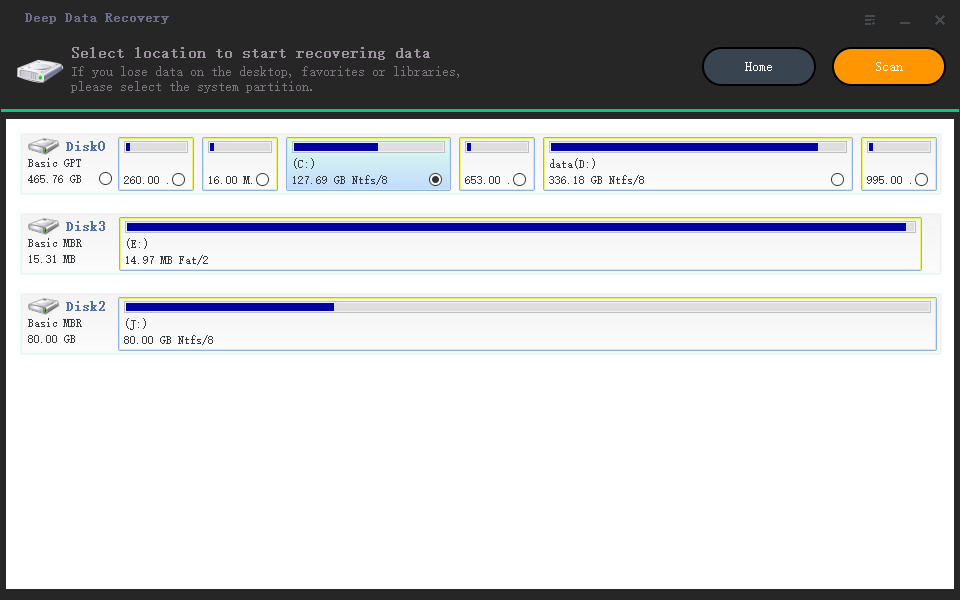
Step 2. Select hard drive to scan
To recover deleted files, launch the software and select the corresponding hard drive from the first start-up window. Click "Scan" to initiate the recovery process. Before starting, it's essential to remember the location of the deleted files before the blue screen appeared. This will help the software to focus its scan on the relevant area, increasing the chances of successful recovery.
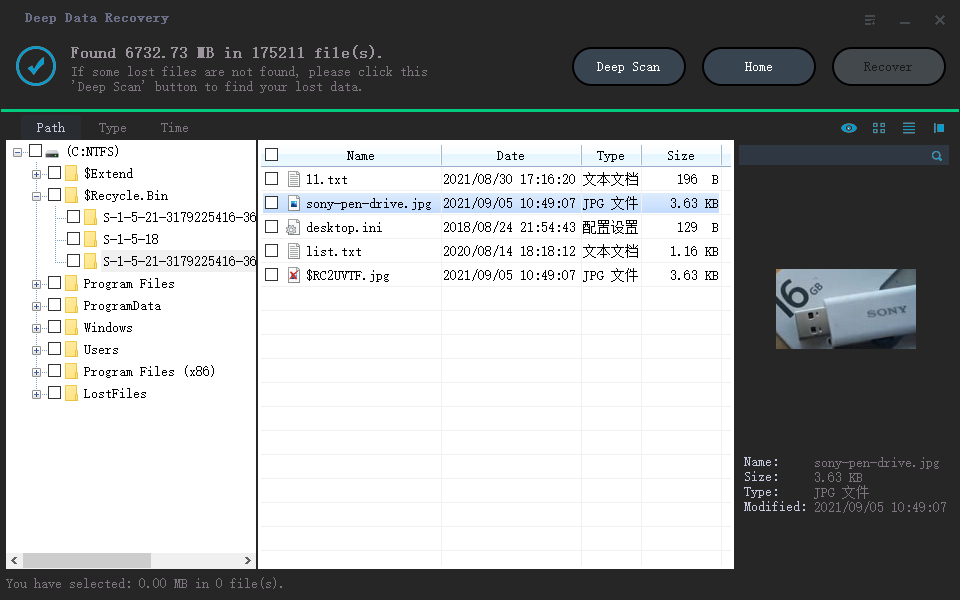
Step 3. Recover files after blue screen
To see all the found files, please wait for the scanning process to complete. Once finished, you can view the categorized files on the left side. Select a file and click it to see details on the right side. Choose the files you want to recover and click "Recover" to save them to your computer.
Part 2. How to Fix Blue Screen of Death on Your Computer
To fix the blue screen of death, identify the underlying reasons that cause the problem, which include hardware issues, outdated drivers, overheating, software conflicts, and corrupted system files. These causes can lead to a blue screen and prevent your computer from responding and booting properly. By addressing these issues, you can resolve the blue screen of death and get your computer running smoothly again.
- 1. A virus or malware infection can cause system files to become damaged, leading to various issues with the computer's operating system.
- 2. Software is incompatible with the operating system.
- 3. Low disk storage in Drive C.
- 4. Power supply issues.
- 5. Incompatible versions of DLL can cause issues, leading to a pop-up message indicating that the DLL is missing. This can be frustrating and may prevent certain programs or features from functioning properly. To resolve this issue, you can try updating the DLL to a compatible version, or reinstalling the program that is using the DLL.
The blue screen of death may seem alarming, but it won't delete your files - it's just an issue with accessing them on your computer. To fix the problem, try the following: [insert steps to fix blue screen of death].
The first step to fix a blue screen of death is to simply restart your computer. If the issue is temporary, this will resolve the problem and get you out of the blue screen of death.
- If you've recently tried to install a new program, update a drive, or perform any other operation before encountering the Blue Screen of Death, you can try to resolve the issue by using System Restore to revert to a previous point in time when your system was functioning properly. This can help you undo any changes that may have led to the crash.
- Check if your computer drive C has enough space for startup. If not, uninstall unnecessary software and clear the trash to free up space.
- A trustworthy security software tool is a must for keeping your computer in great condition, as it prevents malware and viruses from causing damage.
- To keep your Windows operating system up-to-date, simply check for any available updates and install them. If there are any errors or issues, be sure to troubleshoot and fix them to ensure your system is running smoothly and securely.
- If the blue screen of death is not caused by the hard drive, the last resort is to reinstall your computer's operating system, which can fix the entire problem on your computer.
- If the above methods don't work, you'll need to send your computer to a professional repair service for further assistance.
Related Articles
- INVALID_DATA_ACCESS_TRAP in Windows 11
Investigate this specific stop code before choosing data recovery or repairs. - How to Recover Files after Reset Windows 10
- Recover Unsaved/Deleted Notepad Files in Windows 10/11
- How to Recover Deleted Photo from Laptop
- How to Correct #DIV/0 Error in Excel | Check Your Full Guide 2022
Learn the key steps, checks, and practical tips for this related guide. - How to Recover Files after Shutdown
Recovering files after a computer shutdown is a straightforward process. Simply install data recovery software, let it scan your computer for lost files, and then preview and recover the desired files. - How to Recover Files Deleted by Antivirus using CMD and Software
If your antivirus software, such as AVG or Windows Defender, accidentally deletes your files, you can try using the Command Prompt (CMD) to recover deleted files, or restore them from the Quarantined Items folder, where the antivirus software stores files it has flagged as potentially malicious.
Products
Articles & Tutorials
- Data Recovery
- Data Backup
- File Recovery
- File Backup
- File synchronize
- System Backup and Restore
- Disk and Partition Clone
- Technical articles
- Disk Master Help
- Windows Deleted File and Disk Recovery Tutorials
- Windows File and Data Recovery Tutorials
- More Windows Tutorials for Install, Security, Files, and PC Tips
- Windows Boot, Repair, and Recovery Environment Tutorials
- Windows Backup Tutorials
- Windows Restore Tutorials
- Windows Clone and Migration Tutorials
- Windows Server Backup, Recovery, and Management Tutorials
- Windows Disk, Partition, and Storage Management Tutorials