Move Hard Drive to New Computer without Reinstalling Windows
Can You Move Hard Drive to New Computer without Reinstalling?
Yes, it's possible to use the old hard drive with the new computer without wiping it clean. This is often referred to as a "clone" or "clone and paste" process.
Replacing an old computer with a new one often requires a fresh installation of the operating system and other applications, which can be time-consuming and result in the loss of important data.
You may wonder if it's possible to move a Windows 7/8/10/11 installation from an old hard drive to a new computer, keeping the existing system, settings, applications, and everything else intact. Fortunately, there are feasible methods to achieve this.
How to Move Windows 7 Hard Drive to New Computer
Some people may attempt to plug the old hard drive with Windows 7 installed directly into the new computer, but this is likely to result in a system that won't boot.
A more likely and successful approach to transferring Windows OS and all data to a new computer is to use the Backup & Restore method. To do this, you need to ensure that you have backed up your Windows OS and data, and that you have a compatible version of Windows installed on the new computer. You should also ensure that your new computer has enough storage space to accommodate the backed-up data.
▶ You are using a retail copy of Windows 7/8/10/11.
▶ The backup and restore solution you use supports dissimilar hardware restore, allowing you to restore your system to a different hardware configuration than the one it was backed up on.
Software to Move Hard Drive to Computer with Dissimilar Hardware
If your new computer has different hardware than your old one, you'll need a third-party software to transfer data. A good option is Qiling Disk Master, a professional hard drive transferring software that can help you with the process, regardless of whether you're running Windows 7, Windows 8, Windows 10, or Windows 11.
✔ Qiling Disk Master's Universal Restore feature enables users to restore a system image created on one computer to another or new computer with different hardware, ensuring a successful boot after restoration.
✔ To transfer Windows 7/8/10 to another hard drive on the same machine, you can use Disk Clone for a direct and intact migration. This process allows you to clone a larger drive to a smaller drive, making it a convenient option for upgrading your storage.
Free download the effective migration tool to have a try.
Transfer Hard Drive to New Computer in Windows 7 (Step-by-Step)
Moving a hard drive to a new computer in Windows can often result in hardware issues. To avoid this, using the "Universal Restore" feature is recommended. This feature can resolve compatibility issues between different computers, ensuring the hard drive boots properly in its new environment.
Before you can perform Universal/Dissimilar Restore, you need to:
- To create a backup of your computer, download and install Qiling Disk Master Professional, then create a disk backup or system backup and save the backup to a location that the new computer can access, such as an external USB hard drive, internal hard drive, flash drive, or network location/cloud drive.
- If your new computer is a bare machine, create a bootable CD or USB using Qiling Disk Master, which enables you to boot your new PC.
Let's see how to move Windows to new computer without reinstalling:
1. If your new computer is bare metal, boot it via Qiling bootable media, which will display the main interface of Qiling Disk Master. From there, click on the "Restore" tab.
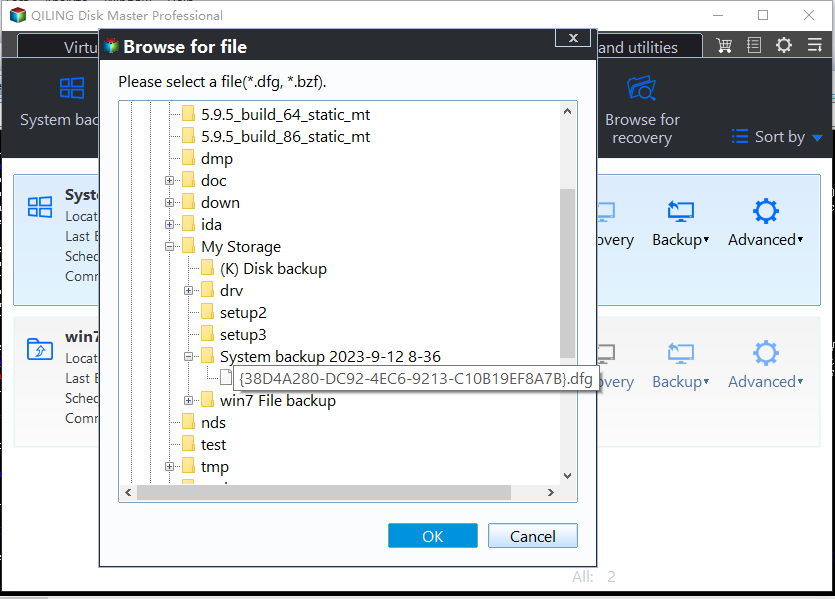
2. To select the system image created from the old hard drive, click "Select Image File" and locate the image in the Qiling PE environment, noting that the drive letter may change.
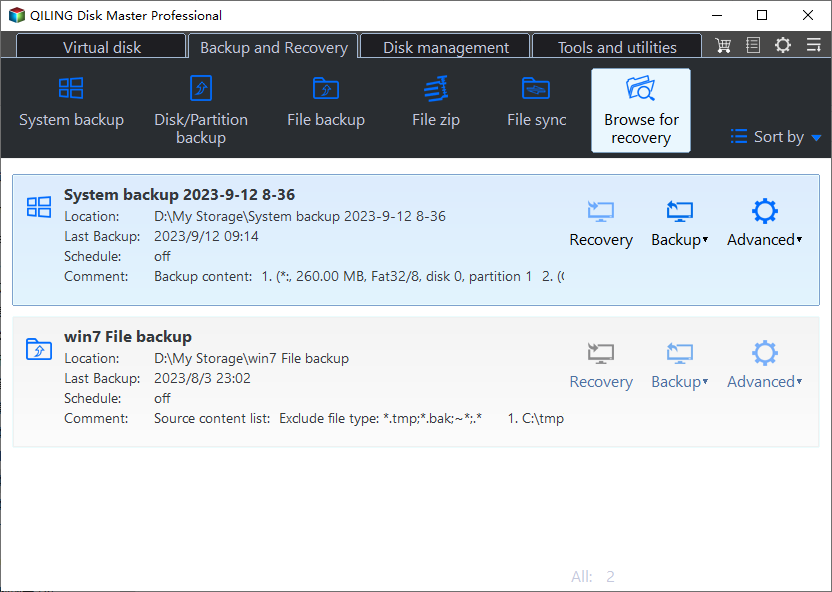
3. Select the image and click "Next" to continue.
4. To restore the entire disk or partition from the image file, select the desired option and click "Next" to proceed.
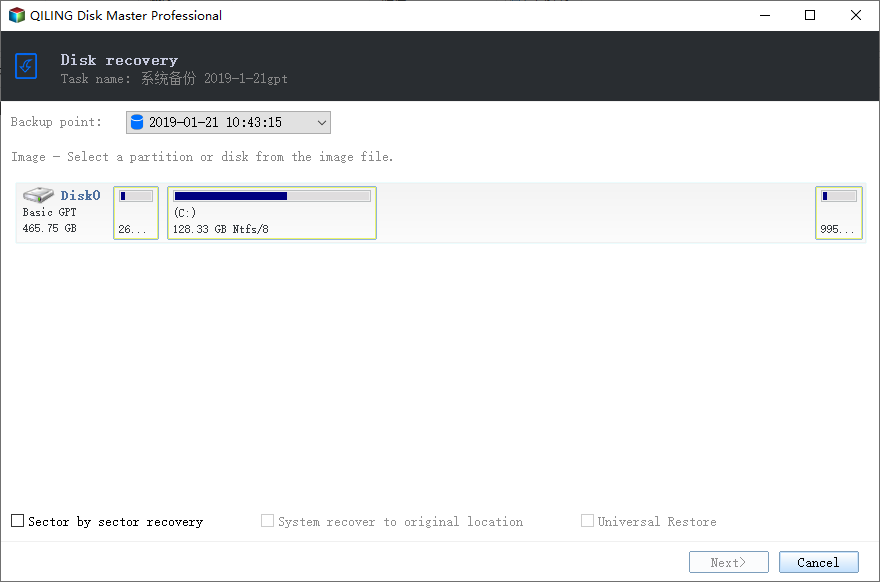
5. Select the destination for the disk image that you wish to restore, and then click "Next" to proceed with the restoration process.
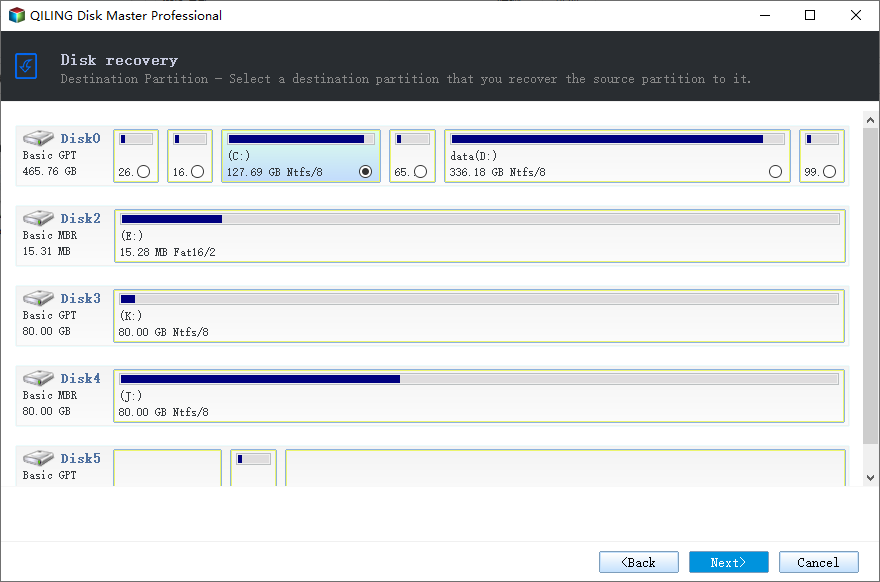
6. You will see the Operation Summary screen, where you tick the option "Universal Restore" and click "Proceed" to continue.
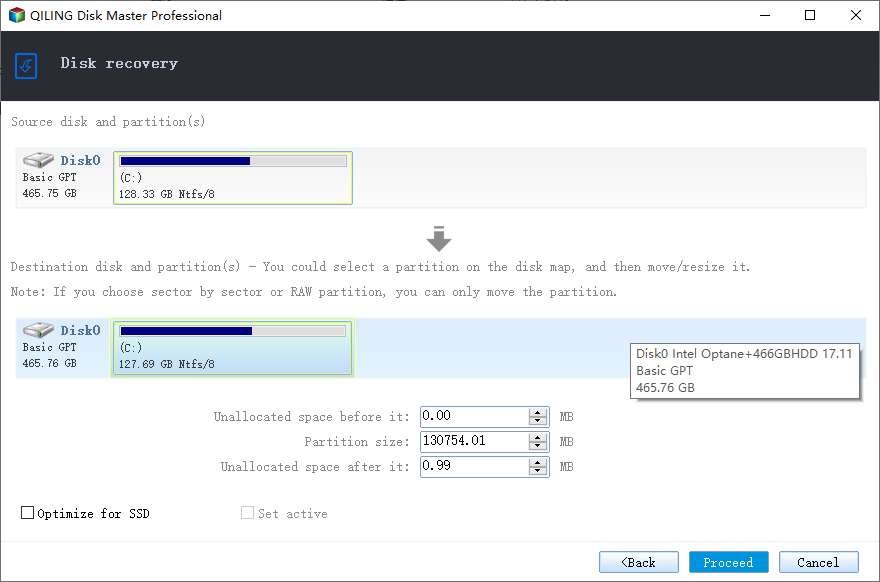
✍Tips:
- You can adjust the partition size before clicking "Proceed".
- If the storage device on the computer is SSD, you can enable "SSD Alignment" to optimize SSD performance by aligning the partition.
- You can transfer your hard drive to a new computer running Windows 10 using the same software.
Once the cloning process is complete, wait for it to finish and then click 'Finish' to exit. You can then boot the new computer normally, with the same OS, programs, and data as the old computer.
FAQ for Moving Hard Drive to New Computer
Unfortunately, it's unlikely that you'll be able to directly plug your old Windows 7 hard drive into your new computer and have it work seamlessly. This is because the operating system and hardware are not compatible, and Windows 7 is no longer supported by Microsoft. However, you may be able to access your files by using a USB drive or external hard drive to transfer them to your new computer.
This issue needs to be considered at both the hardware and system level, requiring a comprehensive approach that takes into account the technical and operational aspects of the problem.
Can you plug the old hard drive into new computer?
To connect an old hard drive to a new computer, ensure the new computer has a slot that supports the old hard drive. For instance, if the old drive is PATA (IDE) and the new computer only has SATA, you can't simply plug it in, unless you use a USB-to-PATA adapter or enclosure.
Will Windows still work if you move hard drive from one computer to another?
When you install Windows on a computer, it configures drivers specifically for that computer's motherboard and chipset. This means that even if you create a full system image of the old hard drive and try to restore it to different hardware, you'll likely encounter errors about the "hardware abstraction layer" or "hal.dll".
In early operating systems like Windows XP, Vista, 7, 8, 8.1, a common issue arises where a backup and restore operation fails due to incompatible hardware, requiring a dissimilar hardware restore using a suitable backup and restore tool.
Can you activate Windows 7 on new computer?
Even if the two issues mentioned earlier are resolved, there may still be license activation issues that need to be considered.
For OEM licenses that are pre-Windows licenses, whether pre-installed by the manufacturer or purchased as a Retail license, can be migrated between hardware, but the type of license determines the ease and flexibility of this process. Pre-installed licenses are tied to the motherboard and can only be migrated with the same hardware, whereas Retail licenses can be transferred to different hardware.
Conclusion
You can seamlessly transfer your Windows 7/8/10/11 hard drive to a new computer using Qiling Disk Master, eliminating the need to reinstall Windows.
Qiling Disk Master has many features, including migrating an OS to a smaller SSD by cloning the system, and backing up Windows 10 to a USB flash drive with ease.
You can protect unlimited computers within your company using Qiling Disk Master Technician, which allows deploying/restoring system image files on multiple client-side computers from a server-side computer over a network.
Related Articles
- How to Backup Windows 7 and Restore on Another Computer?
- How to Use Qiling Universal Restore to Restore Image to Dissimilar Hardware?
- A Simple Way to Move Windows 10 Hard Drive to New Computer
- How to Copy Windows 7 from One Computer to another Safely?
- Top 2 Ways to Migrate Windows 7 from HDD to SSD Without Reinstalling
- Backup and Sync External Hard Drives with Google Drive
This page introduces you to the most efficient way to backup and sync external hard drive with Google Drive, whether from or to it.
Products
Articles & Tutorials
- Data Recovery
- Data Backup
- File Recovery
- File Backup
- File synchronize
- System Backup and Restore
- Disk and Partition Clone
- Technical articles
- Disk Master Help
- Windows Deleted File and Disk Recovery Tutorials
- Windows File and Data Recovery Tutorials
- More Windows Tutorials for Install, Security, Files, and PC Tips
- Windows Boot, Repair, and Recovery Environment Tutorials
- Windows Backup Tutorials
- Windows Restore Tutorials
- Windows Clone and Migration Tutorials
- Windows Server Backup, Recovery, and Management Tutorials
- Windows Disk, Partition, and Storage Management Tutorials