Easiest Way to Restore Windows 11, 10, 8, 7 from Recovery Partition
What Is A Recovery Partition?
A recovery partition is a hidden or protected section of a hard drive that stores recovery files, a factory image, or a system backup image. It can help restore Windows when the system becomes unstable or fails to boot. It is different from a system repair disk, which is usually created on external media such as a CD/DVD or USB drive.
Windows and computer manufacturers may create different recovery partitions. A Windows recovery partition usually stores recovery tools, while a factory recovery partition may contain a full image used to reset the computer to its original state. Keep the recovery partition unless you already have another reliable recovery method.
When Do You Need to Restore Windows from Recovery Partition?
You may need to restore Windows from a recovery partition when Windows cannot boot, system files are damaged, malware or incorrect settings cause serious errors, or you want to return the computer to a previous working state.
Before restoring, note that some recovery methods may overwrite the system partition or reset the computer to factory settings. If Windows can still start, back up important files first. If it cannot start, use a recovery environment or another computer to rescue important data when possible.
How to Easily Restore Windows from Recovery Partition
Lenovo OneKey Recovery is a well-known tool, but it is mainly designed for Lenovo computers. If you need a recovery partition solution for other brands, such as Dell, HP, or Toshiba, a third-party tool like Qiling One Key Recovery can help. Before restoring, you should already have a recovery partition or a system image created by the tool.
Step 1. Download and install One Key Recovery. Open it and click System Recovery on the main page.
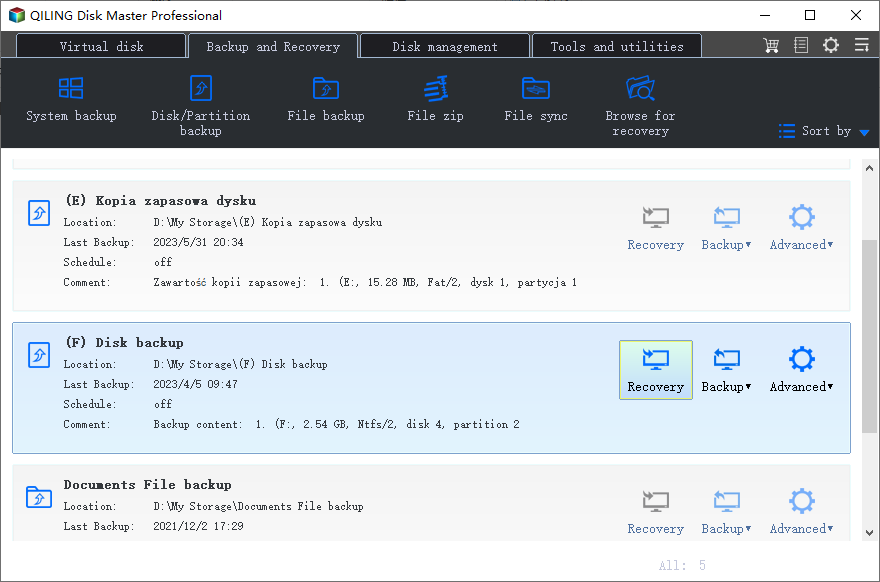
Step 2. Select a way to restore your system, and click Next to continue.
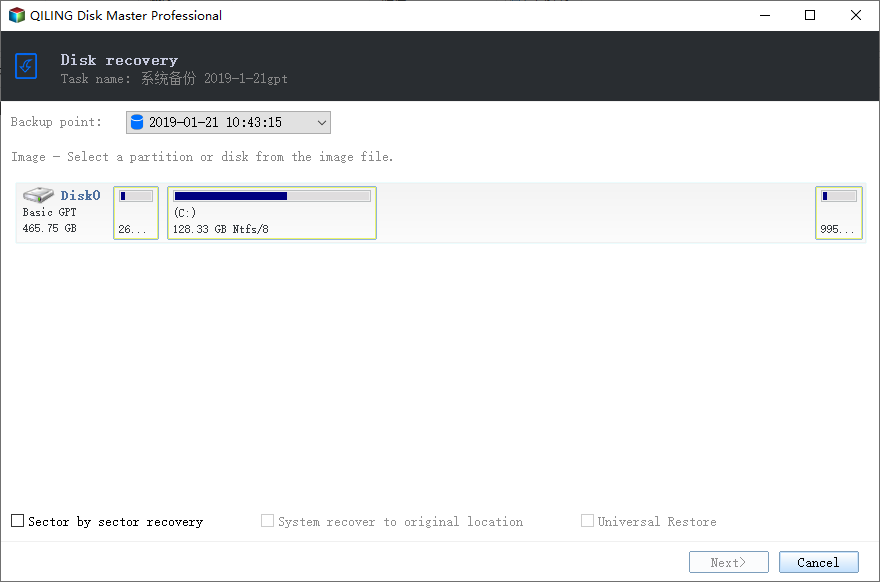
If you choose the second option, click Browse to manually select a system image file, and then follow the prompts to restore Windows.
Step 3. If you choose the first option, confirm the recovery image and click Next. If you want to restore the system to another location, tick the checkbox before "Restore to other location".
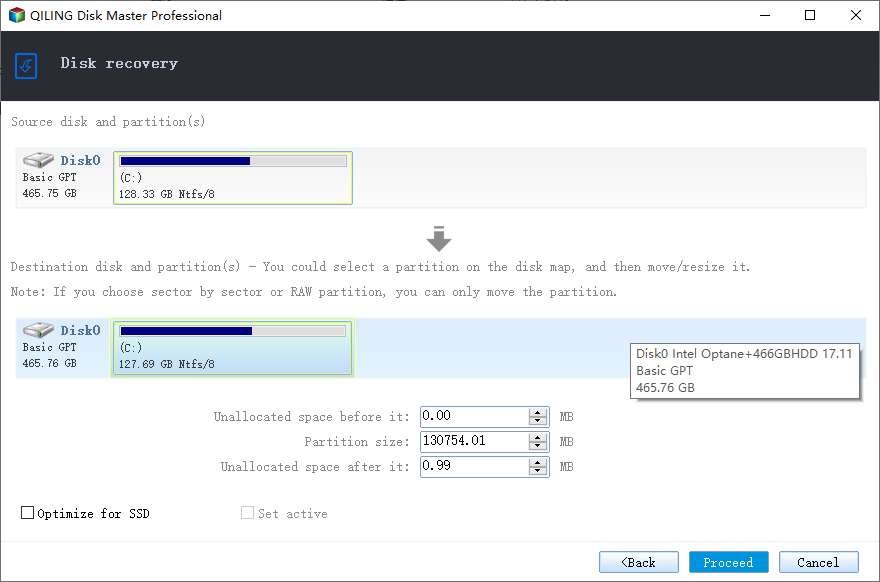
If you don't select the option to restore to a different location, your system will be restored to its original location by default.
Step 4. If restoring to another location, select the target disk carefully. Confirm that important data on the destination has been backed up, and click "Proceed" after setup is complete.
Step 5. Wait for the restore process to finish. Then click "Finish" and restart the computer if prompted.
If Windows cannot boot, you can also start the recovery environment first and then restore Windows. On some computers, pressing F11 during startup opens the recovery environment, depending on the recovery tool and boot configuration.
Summary
Restoring Windows from a recovery partition can be convenient because it may not require a separate rescue USB or CD/DVD. However, recovery can overwrite system data, so always back up important files before restoring when possible. OneKey System Recovery is suitable for system recovery tasks, while Qiling Disk Master can help with system backup, file backup, system restore, and partition restore.
Related Articles
- How to Make Dell/HP/Lenovo Recovery Partition Bootable
You may want to make the HP/Dell/Lenovo recovery partition bootable in different situations. Here you'll learn how to do it and you can create a recovery boot drive for Windows 10/7 in another way. - How to Factory Reset ASUS Laptop with ASUS System Recovery Partition
Learn how to factory reset an ASUS laptop with the ASUS recovery partition in Windows 7/8/10, and choose the proper recovery method for your situation. - Windows 7 Recovery Partition Is Missing or Lost? Fixed!
Restore a missing Windows 7 recovery partition or use recovery alternatives to get the system back. - 4 Effective Ways to Restore Windows 10 from Recovery USB
Now is the best time to create a recovery disk and then you can restore Windows 10/11 from USB when your computer runs into issue. 4 useful methods and complete guides are included. - 3 Free Ways to Create Windows 10 Recovery Disk or USB Drive
This guide explains 3 Free Ways to Create Windows 10 Recovery Disk or USB Drive with clear steps, key checks, and practical tips. - Backup PC to Google Drive in Windows 11/10/8/7 for Free
Learn the step-by-step tutorial about how to backup my PC to Google Drive automatically with free backup software.
Products
Articles & Tutorials
- Data Recovery
- Data Backup
- File Recovery
- File Backup
- File synchronize
- System Backup and Restore
- Disk and Partition Clone
- Technical articles
- Disk Master Help
- Windows Deleted File and Disk Recovery Tutorials
- Windows File and Data Recovery Tutorials
- More Windows Tutorials for Install, Security, Files, and PC Tips
- Windows Boot, Repair, and Recovery Environment Tutorials
- Windows Backup Tutorials
- Windows Restore Tutorials
- Windows Clone and Migration Tutorials
- Windows Server Backup, Recovery, and Management Tutorials
- Windows Disk, Partition, and Storage Management Tutorials