How to Recover Deleted Audio Driver on Windows 7
Quick Navigation:
- The Problems for Accidentally Deleting Audio Drivers on Windows 7:
- Part 1. How to Recover Deleted Audio Drive with Audio Driver Recovery Solution
- Here are the main features of Best Audio Driver Recovery Software:
- How to use Deep Data Recovery to Recover Deleted Audio Driver on Windows 7
- Tips on how to avoid Deletion of Drivers on the Computer
The Problems for Accidentally Deleting Audio Drivers on Windows 7:
Accidentally deleting important files, including audio drivers, is a common issue when cleaning up unnecessary files on your system. If you've deleted your audio driver in Windows 7, you're likely searching for a solution to recover it. It would be helpful if Windows provided a warning before uninstalling software to prevent such incidents.
The accidental deletion of an audio driver can be a frustrating experience, especially when caused by someone with little computer knowledge using your system. Even if you've deleted the driver yourself due to ignorance or corruption, there's a solution. We'll provide a perfect audio driver recovery solution to your problem, helping you to overcome the troubles caused by the deletion.
Part 1. How to Recover Deleted Audio Drive with Audio Driver Recovery Solution
If you've accidentally deleted the audio driver in Windows 7, - Deep Data Recovery software can help you recover it. This all-in-one solution is effective and reliable, compatible with Windows, Mac, and mobile phone OS, making it a great tool for various recovery problems.
Here are the main features of Best Audio Driver Recovery Software:
- It's able to recover deleted files in Windows 7 even without a backup.
- The software provides a full format recovery solution for various storage devices, including hard drives, partitions, SD cards, and USB drives. It can recover data from devices with initialization, accessibility, or other errors, making it a reliable tool for salvaging lost data.
- It provides recovery of portioned files that may have been lost during repartition, cloning, or any other hard disk accident.
- The software also offers RAW drive recovery in case the file system is displayed as RAW or damaged.
- Even if files are lost due to incorrect operations like cut and copy, restoration of factory settings, or pulling out of media storage during data writing, the software can recover them all in just a few simple steps.
- The hard drive data recovery software is compatible with most Windows versions, including Windows 11, 10, 8, 7, Vista, and XP.
The article discusses how to recover a deleted audio driver, providing a step-by-step guide on the process.
How to use Deep Data Recovery to Recover Deleted Audio Driver on Windows 7
Losing an audio driver can be frustrating, as it means you've lost your sound output. To recover the deleted driver, follow the instructions step by step to get your sound back.
- To start the process, download the Deep Data Recovery Software from the official website, making sure to select the Windows version. Once downloaded, install the software on your system, which will create a shortcut on your Desktop.
- Now launch the data recovery software and open the main interface. Next, you have to select the storage device from the list. And then click on the "Scan" button to search your deleted audio drivers.
- When the scan is completed, the software will display a list of recently deleted files from your system, including any accidentally deleted audio drivers. Even if an application or software is deleted from Windows 7, the audio driver recovery software will detect it and display it on the screen. Once the results are shown, look for the deleted audio driver, preview it to ensure you've selected the correct one, and then click on the "Recover" button.
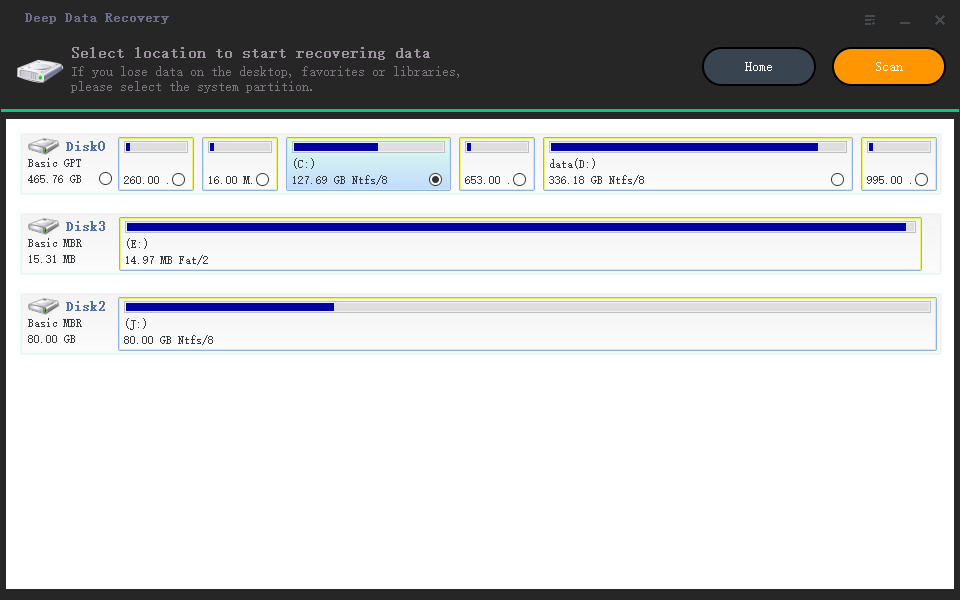
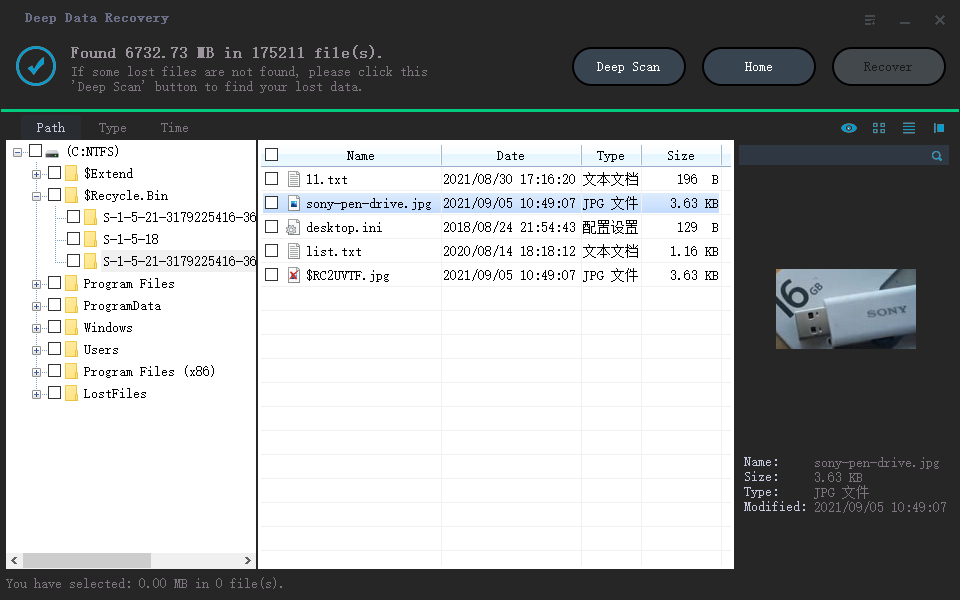
Audio driver recovery software can restore accidentally deleted Audio driver in Windows 7, allowing you to reinstall it and regain audio functionality.
Tips on how to avoid Deletion of Drivers on the Computer
Deleting drivers carelessly can lead to the loss of other important files and drivers, including the audio driver you've already deleted. To avoid this mistake in the future, remember to be cautious when deleting drivers and follow some helpful tips. This will ensure that you don't accidentally delete other essential drivers and files from your system.
- Don't store the driver software in the same location as your regular files.
- To prevent drivers from showing errors or lagging behind after some time, it's recommended to regularly update them. This ensures that your system's hardware and software are always compatible and functioning optimally.
- Choose a fully compatible driver for your system.
- To ensure that every other person who uses your system doesn't have access to the drivers, you can implement a system where each user has their own unique set of drivers, and access to these drivers is restricted to the individual user. This can be achieved by using a combination of encryption, secure storage, and user authentication.
- To prevent unauthorized access and maintain system security, consider implementing an Admin password requirement for any driver installations. This can be done by setting a password for the Admin account, which will prompt users to enter the password when attempting to install or uninstall drivers.
Related Articles
- How to Recover Deleted Files from Recycle Bin after Empty
- How to Recover Deleted Files by Date
- How to Recover Deleted Videos from PC
- 5 Ways to Recover Deleted Files in Windows 10
- How to Recover Files from Crashed Windows 7
- How to Recover Deleted PDF Files
- How to Recover Shift Deleted Files in Windows 7/8/10/11
- 5 Ways to Recover Deleted Files on Mac
- Recover Unsaved/Deleted Notepad Files in Windows 10/11
Products
Articles & Tutorials
- Data Recovery
- Data Backup
- File Recovery
- File Backup
- File synchronize
- System Backup and Restore
- Disk and Partition Clone
- Technical articles
- Disk Master Help
- Windows Deleted File and Disk Recovery Tutorials
- Windows File and Data Recovery Tutorials
- More Windows Tutorials for Install, Security, Files, and PC Tips
- Windows Boot, Repair, and Recovery Environment Tutorials
- Windows Backup Tutorials
- Windows Restore Tutorials
- Windows Clone and Migration Tutorials
- Windows Server Backup, Recovery, and Management Tutorials
- Windows Disk, Partition, and Storage Management Tutorials