How to Recover Shift Deleted Files in Windows 7/8/10/11 in 4 Ways [2023]
"Is there any way to do Windows 11 shift delete recovery? I selected the wrong file and shift delete it. I can't find it in recycle bin. Please help!"
You can also review recover files deleted by Shift Delete for backup-based and software-based recovery options.
Shift delete files is a common method for deleting files, allowing users to quickly and easily remove files without sending them to the recycle bin. However, if you need to recover shift deleted files in Windows, you may find it challenging as they are not visible in the recycle bin. Fortunately, there are ways to recover shift deleted files, with or without the use of software, allowing you to retrieve deleted files in Windows 7, 8, 10, and 11.
- Quick Navigation
- Part 1. How to Restore Deleted Files after Shift Delete with File History
- Part 2. How to Recover Shift Deleted Files in Windows 7/8/10/11 with Previous Versions
- Part 3. How to do Windows Shift Delete Recovery with Backup Files
- Part 4. How to Undelete Shift Delete Files with Software (Fully Recommended)
- Part 5. Tips for Shift Delete You Must Know (Shift Delete Vs Delete, Prevent Data Loss)
Regardless of the type of file you shift deleted, whether it's a video, document, photo, or folder, it's essential to stop using your computer immediately to prevent further data loss. After that, follow the steps below to retrieve the shift deleted files until you successfully recover them.
Part 1. How to Restore Deleted Files after Shift Delete with File History
If you've shifted deleted files, they may seem to have disappeared, but if you've turned on File History, you can easily recover them in Windows 11, 10, 8, or 7.
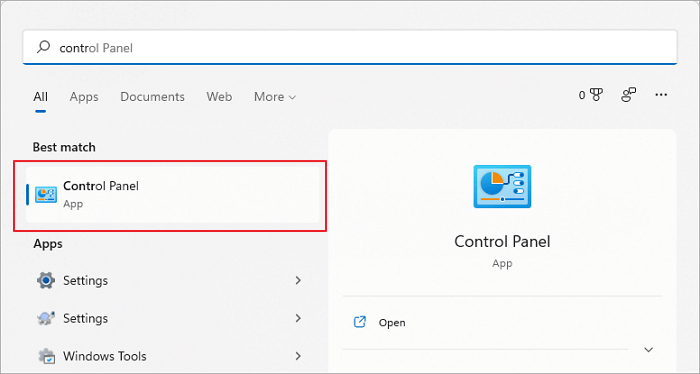
- To access the Control Panel, click the "Search" icon, which is typically located in the taskbar, and type "Control Panel" in the search bar. This will open the Control Panel application, allowing you to access various system settings and tools.
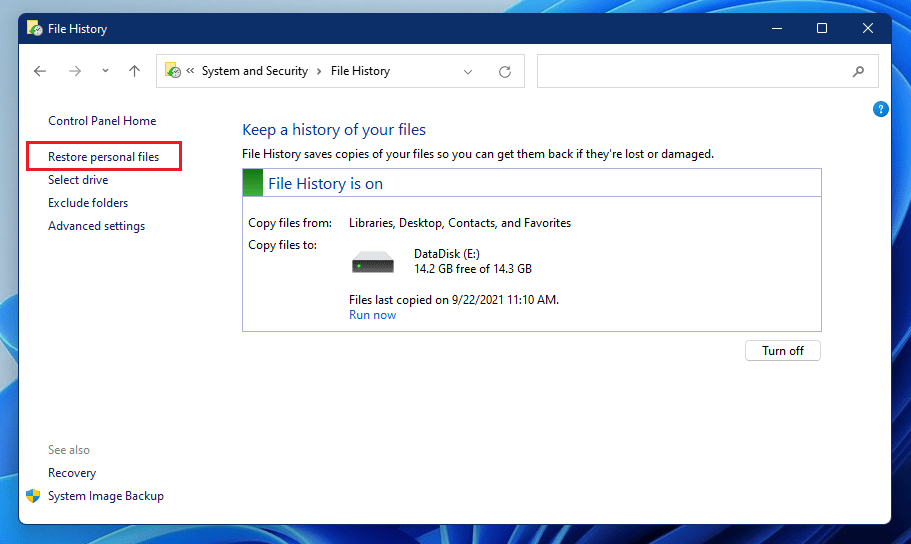
- To restore personal files, go to "System and Security" in the Control Panel, then select "File History", and finally click on "Restore personal files".
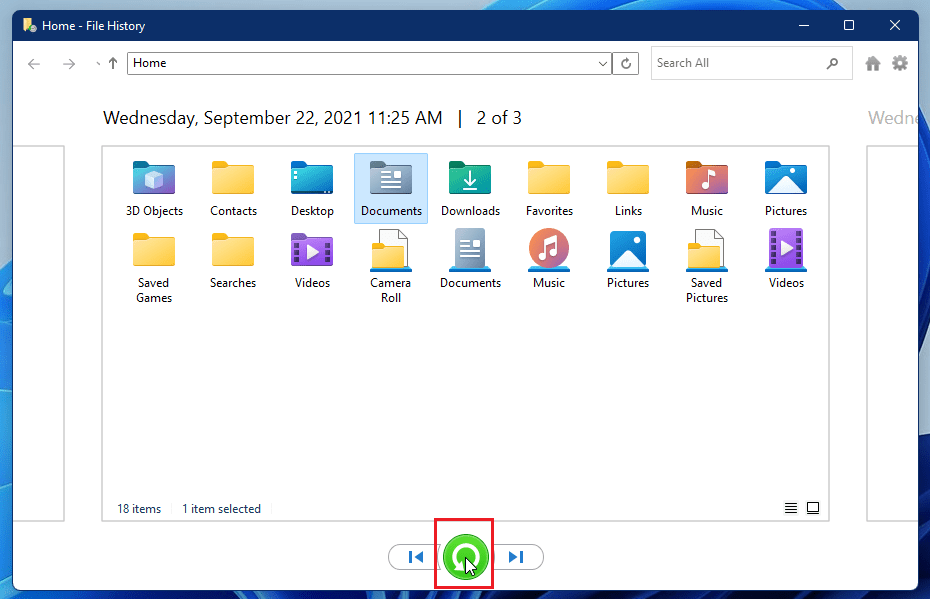
- Locate the folder where the deleted files were stored.
- To restore the files, click on the "Restore" button. This will return the files to their original location.
If you're unable to see any folders, it's likely because File History is turned off, so you should turn it on to prevent future data loss.
- Go to Control Panel, then click on System and Security, and finally click on File History.
- To enable File History, open File History options and toggle the switch to ON.
Part 2. How to Recover Shift Deleted Files in Windows 7/8/10/11 with Previous Versions
The feature to restore previous versions of files and folders is available on Windows 7, 8, 10, and 11. You can try to recover shift deleted files by following the instructions to restore previous versions, which allows you to retrieve deleted files and folders on your PC.
- Find the folder/drive where the deleted file is saved.
- Right-clicking on it and selecting the "Restore Previous Versions" option.
- To recover your files, select the desired version and click on the "Restore" option to retrieve your files back.
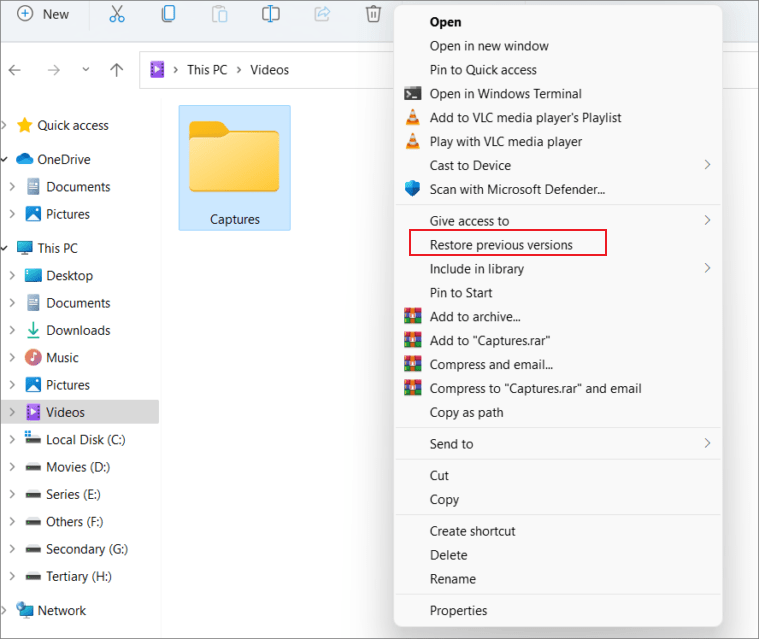
If there are no files, it will read like "There are no previous versions available".
Part 3. How to do Windows Shift Delete Recovery with Backup Files
Backing up files is essential for data recovery and restore, allowing you to retrieve deleted files, including those permanently deleted using Shift Delete. This method works on Windows 7, 8, 10, and 11, and is particularly useful for those who have turned Windows backup on. If you've backed up your files, you can recover deleted photos and other data from the backup. If you haven't had any backup, you can still recover permanently deleted files using alternative methods, which will be covered in part 4.
for Windows 11
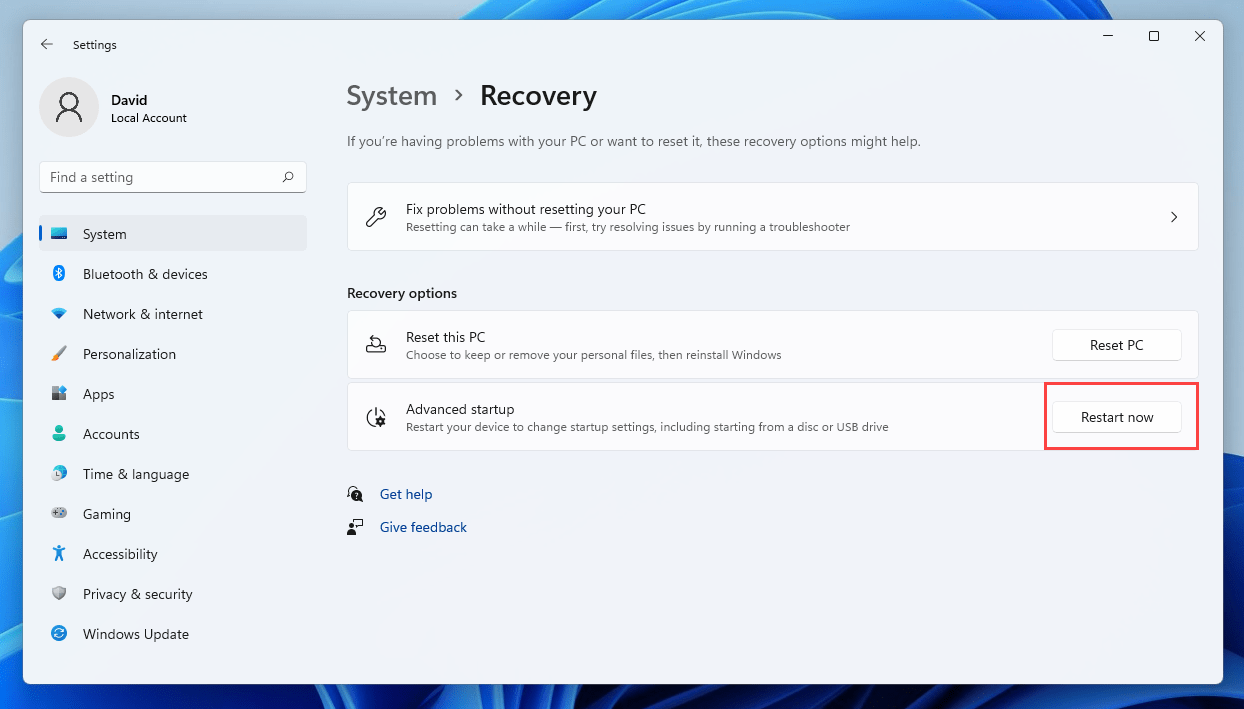
- Go to "Settings" > "System" > "Recovery" and click "Restart now".
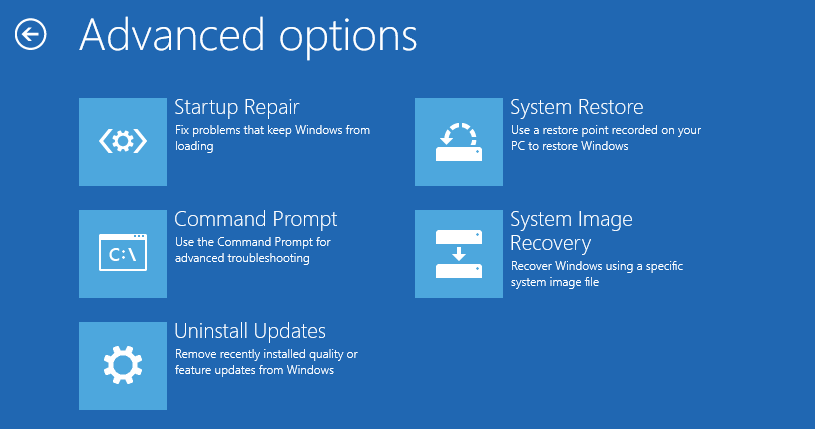
- When your Windows 11 finishes restarting, you will see the "Advanced startup" page.
- At this time, please choose "System Restore" or "System Image Recovery" according to your own backup situation.
- Finally, follow the wizard to complete the shift file recovery in Windows 11. To do this, you'll need to follow the on-screen instructions and select the drive where you want to save the recovered files, as well as the location where you want to save the recovered files.
for other Windows
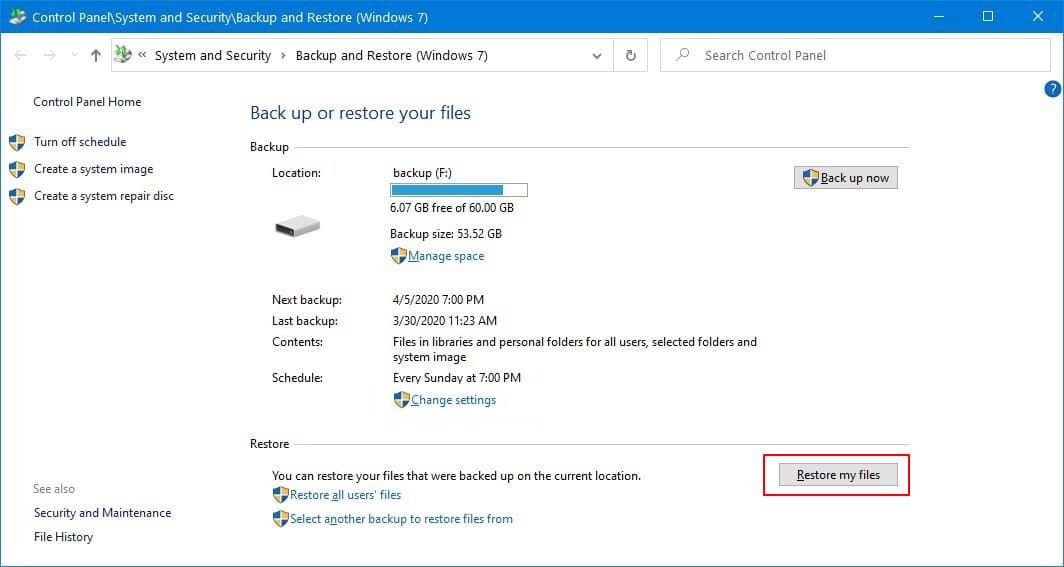
- To start the process, go to the "Control Panel", then click on "System and Maintenance", followed by "Select Backup and Restore", and finally tap on "Restore my files".
- Tap "Browse for files" to choose the previously created backup.
- If you're trying to save a backup of a file, navigate to the destination where you want to save it. If there's a conflict, you'll need to decide how to handle it - you can choose to copy and replace the existing file, not copy the new file, or copy the new file but keep both versions.
- The restore shift deleted files process will eventually finish, and all permanently deleted files will be visible on your PC at the selected location.
Part 4. How to Undelete Shift Delete Files with Software
If all the above-Unfortunately, listed methods may not be effective in recovering shift deleted files on Windows. In such cases, using professional shift delete recovery software is the best option. This software will thoroughly scan your PC, allowing you to selectively find and recover the deleted files.
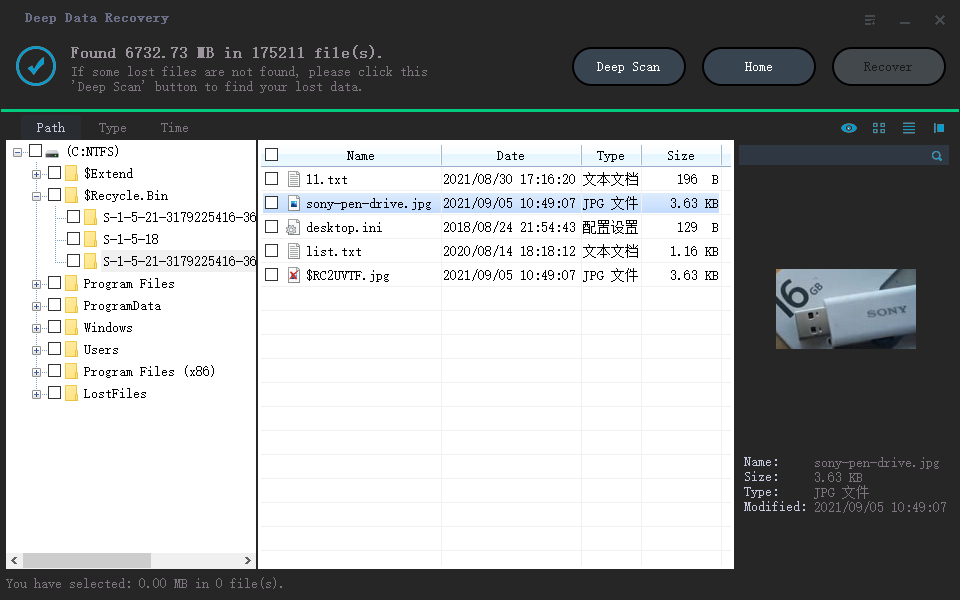
Deep Data Recovery is a great option for shift delete file recovery Windows for its ability to recover deleted files from Windows recycle bin, recover data from formatted hard drive, recover files from corrupted hard drive, recover data from deleted partition, recover files from external hard drive, recover files from USB drive, recover files from memory card, and recover data from crashed computer. It also offers a user-friendly interface, supports multiple file systems, and provides a high success rate of recovery.
Your Best Software for Recover Shift Deleted Files on Windows 11/10/8/7/XP
- Get back almost all file types used daily, displaying all the recoverable files for you.
- This software effectively recovers files deleted by shift delete in Windows 11, 10, 8, and 7 without any compatibility issues.
- It can also recover files deleted during cut and paste in Windows PC.
- 100 safe to use and preview all recoverable files before go forward.
Guide for How to Recover a Shift Deleted Folder/File in Windows 7/8/10/11
- Download the best sift delete file recovery software
- Launch it on your Windows PC.
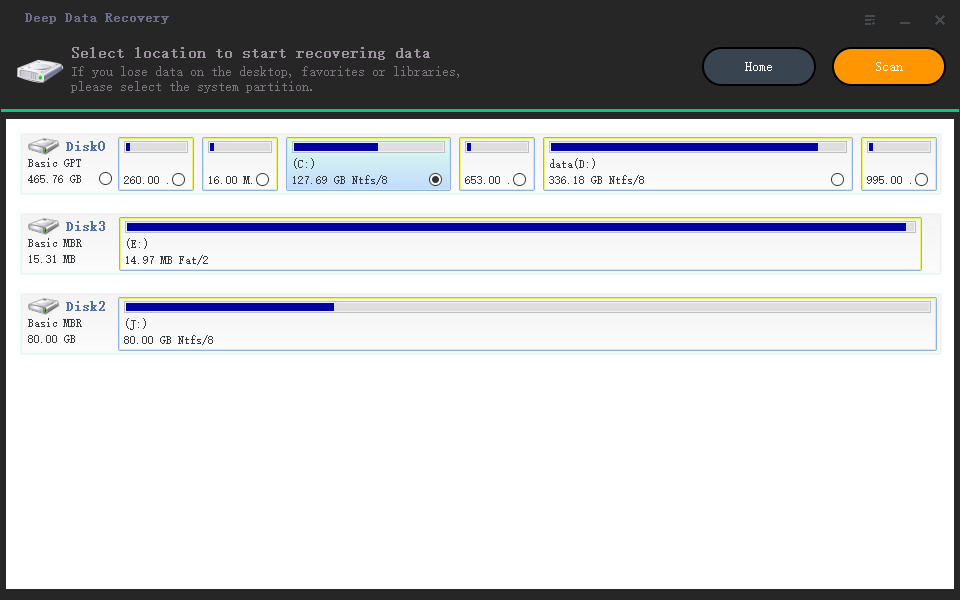
- To scan for deleted files, select the location you want to scan and click on the "Scan" button.
- Once the scanning process is completed, preview the recoverable files
- Select the files you want to recover and click on the "Recover" button to save them.
Part 5. Tips for Shift Delete You Must Know (Shift Delete Vs Delete, Prevent Data Loss)
Shift Delete Vs Delete
- When you delete files by pressing the "Delete" button or selecting the Delete option from the right-click menu, they are moved to the Recycle Bin instead of being permanently deleted. The files remain in the Recycle Bin until it is emptied, allowing you to recover deleted files if needed.
- If you use "Shift + Delete" to delete files, they are permanently erased and cannot be found anywhere on the computer. You can try using previous versions, file history, or backup files to recover them, but if that doesn't work, it's recommended to use Deep Data Recovery software as soon as possible to prevent permanent data loss.
How to Prevent Data Loss?
- Be mindful of your use of the "Shift + Delete" shortcut, as it permanently deletes files without giving you the option to restore them from the Recycle Bin. For everyday use, the regular "Delete" key is a better choice, as it allows you to recover files from the Recycle Bin if you change your mind. Only use "Shift + Delete" for files you're absolutely sure you no longer need.
- To be safe, back up your files to an external hard drive, especially if you're unsure what you'll need. You can use Windows File History, Windows backup, or cloud services for this. Even better, schedule a backup with Qiling backup to automatically back up your hard drives, folders, and selected files.
Related Articles
- How to Recover Shift Deleted Excel Files from Windows PC
- How to Fix a Windows 11 Installation Error 0x8007007f
- How To Recover Data From SSD In Windows 11
- Free Data Recovery Software for Windows 11
- Restore Deleted Files on C Drive in Windows 10/11/8/7
- Microsoft File Recovery Software – How to Use and 10 Best Alternatives
This article provides a comprehensive guide to using Microsoft File Recovery and alternative software for data recovery, walking you through the entire process to recover lost files.
Products
Articles & Tutorials
- Data Recovery
- Data Backup
- File Recovery
- File Backup
- File synchronize
- System Backup and Restore
- Disk and Partition Clone
- Technical articles
- Disk Master Help
- Windows Deleted File and Disk Recovery Tutorials
- Windows File and Data Recovery Tutorials
- More Windows Tutorials for Install, Security, Files, and PC Tips
- Windows Boot, Repair, and Recovery Environment Tutorials
- Windows Backup Tutorials
- Windows Restore Tutorials
- Windows Clone and Migration Tutorials
- Windows Server Backup, Recovery, and Management Tutorials
- Windows Disk, Partition, and Storage Management Tutorials