How to Recover Shift Deleted Files in Windows 7/8/10/11 in 4 Ways [2023]
Unfortunately, if you've permanently deleted a file using Shift + Delete, it's likely gone for good. However, you can try using a file recovery software like Recuva or Deep Data Recovery Wizard to scan your computer for any remaining file fragments. Be aware that the chances of recovering the file depend on various factors, such as the type of file, the amount of time passed since deletion, and the presence of any disk errors. If the file is already overwritten, it may be impossible to recover. You can also try checking your system's event logs to see if there's any record of the file's deletion. If you're unable to recover the file, it's worth noting that you can try restoring from a backup if you have one.
For Windows 10-specific steps, see how to recover Shift deleted files in Windows 10.
Shift delete files is a quick and easy way to delete files, but it can be a problem if you need to recover them. Unlike regular deletes, shift deleted files don't go to the recycle bin, making them invisible and unrecoverable through Windows. However, there are ways to recover shift deleted files, even in Windows 7/8/10/11, with or without software.
- Quick Navigation
- Part 1. How to Restore Deleted Files after Shift Delete with File History
- Part 2. How to Recover Shift Deleted Files in Windows 7/8/10/11 with Previous Versions
- Part 3. How to do Windows Shift Delete Recovery with Backup Files
- Part 4. How to Undelete Shift Delete Files with Software (Fully Recommended)
- Part 5. Tips for Shift Delete You Must Know (Shift Delete Vs Delete, Prevent Data Loss)
To recover shift deleted files, whether they're videos, documents, photos, or a folder, stop using your computer immediately to prevent further data loss. Then, follow these steps to retrieve the deleted files.
Part 1. How to Restore Deleted Files after Shift Delete with File History
If you've shift deleted files and they seem to have disappeared, but you have File History enabled, you can easily recover them in Windows 11, 10, 8, or 7.
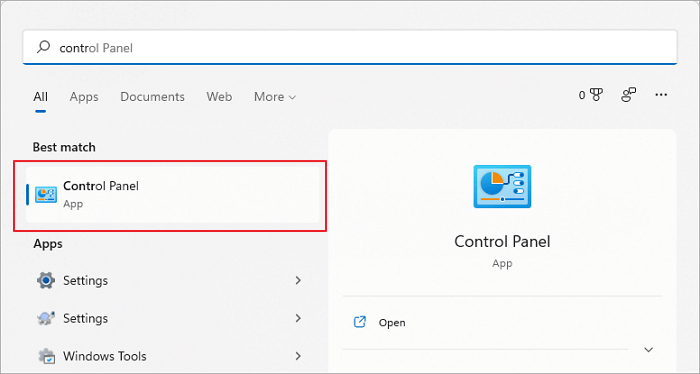
- To open the Control Panel, click the "Search" icon and type "Control Panel" in the search bar.
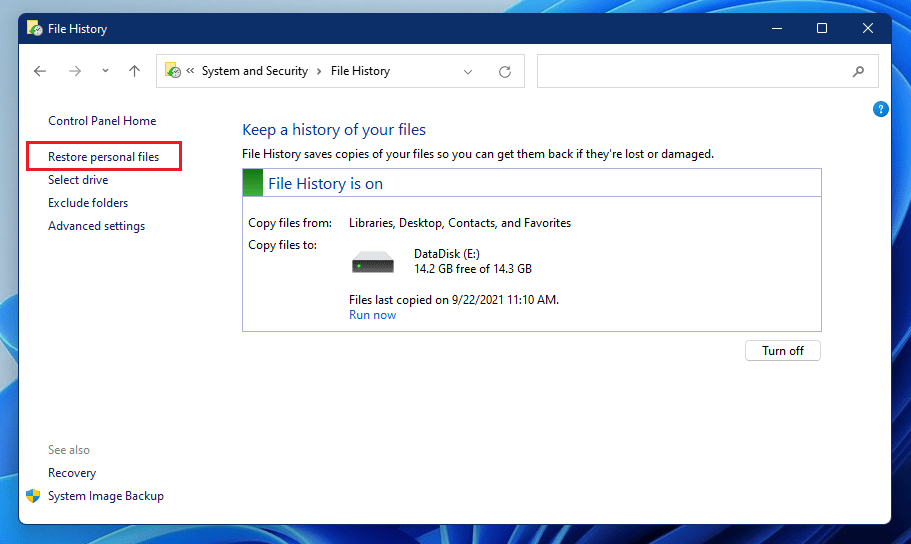
- To restore personal files, go to "System and Security" and then click on "File History". From there, select "Restore personal files".
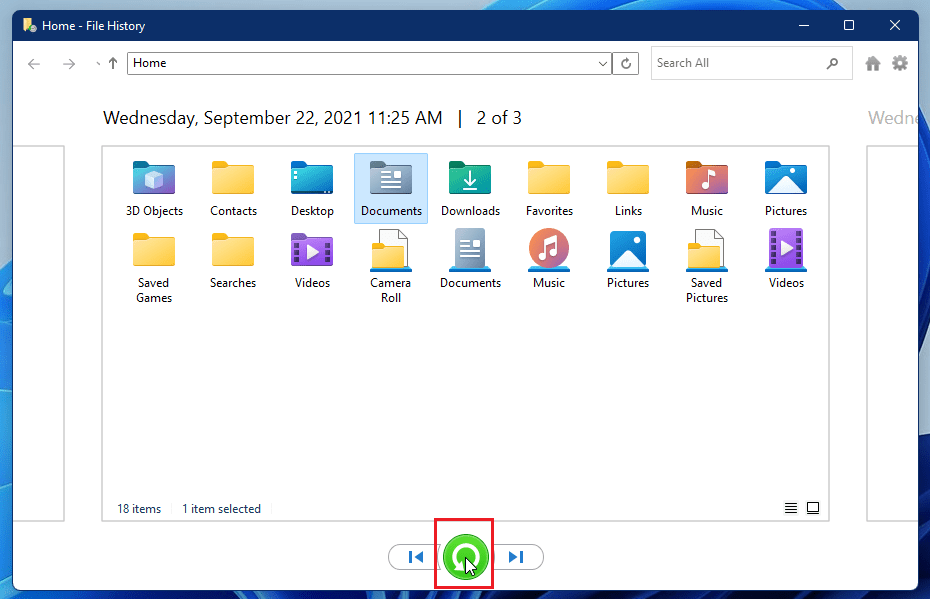
- Locate the folder where the deleted files were stored.
- To restore the files, click on the "Restore" button. This will return the files to their original location.
If you can't see any folders, it's likely because you've disabled File History, which is a feature that helps prevent data loss. To avoid this issue in the future, you should turn File History back on.
- To access File History, go to the Control Panel, then click on System and Security, and finally select File History.
- To enable file history, click on File History options and toggle the switch to the ON position.
Part 2. How to Recover Shift Deleted Files in Windows 7/8/10/11 with Previous Versions
The feature to restore previous versions of files and folders is available for Windows 7, 8, 10, and 11. You can attempt to recover deleted files using shift delete recovery. This allows you to retrieve previous versions of all files and folders on your PC. To restore shift deleted files in Windows 11, follow these steps.
- Find the folder/drive where the deleted file is saved.
- Right-clicking on it and selecting the "Restore Previous Versions" option.
- To recover your files, select the desired version and click on the "Restore" option. This will retrieve your files back.
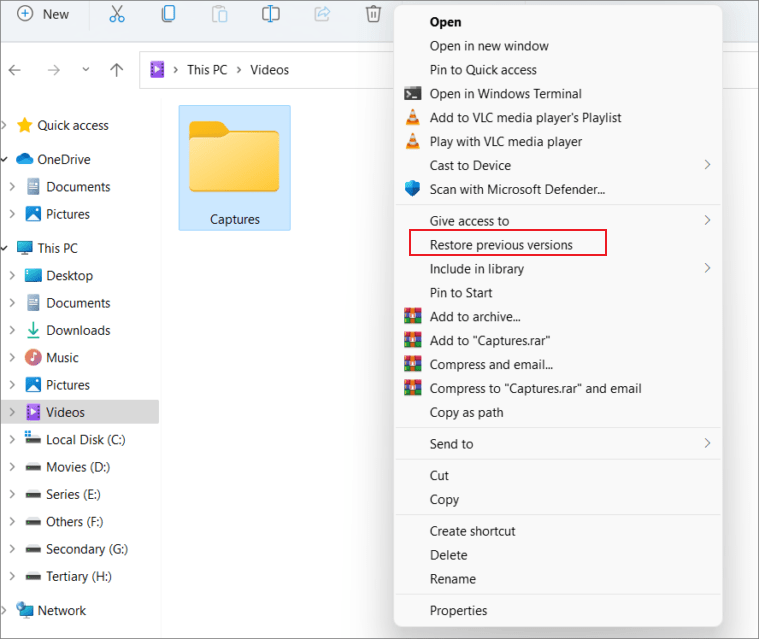
If there are no files, it will display "There are no previous versions available".
Part 3. How to do Windows Shift Delete Recovery with Backup Files
The purpose of backing up files is for data recovery/restore, allowing you to retrieve deleted files, including those deleted with shift delete, by using the Windows backup feature, which can be used to recover deleted files in Windows 7, 8, 10, and 11. This method works for users who have enabled Windows backup. If no backup is available, alternative methods can be used to recover permanently deleted files.
for Windows 11
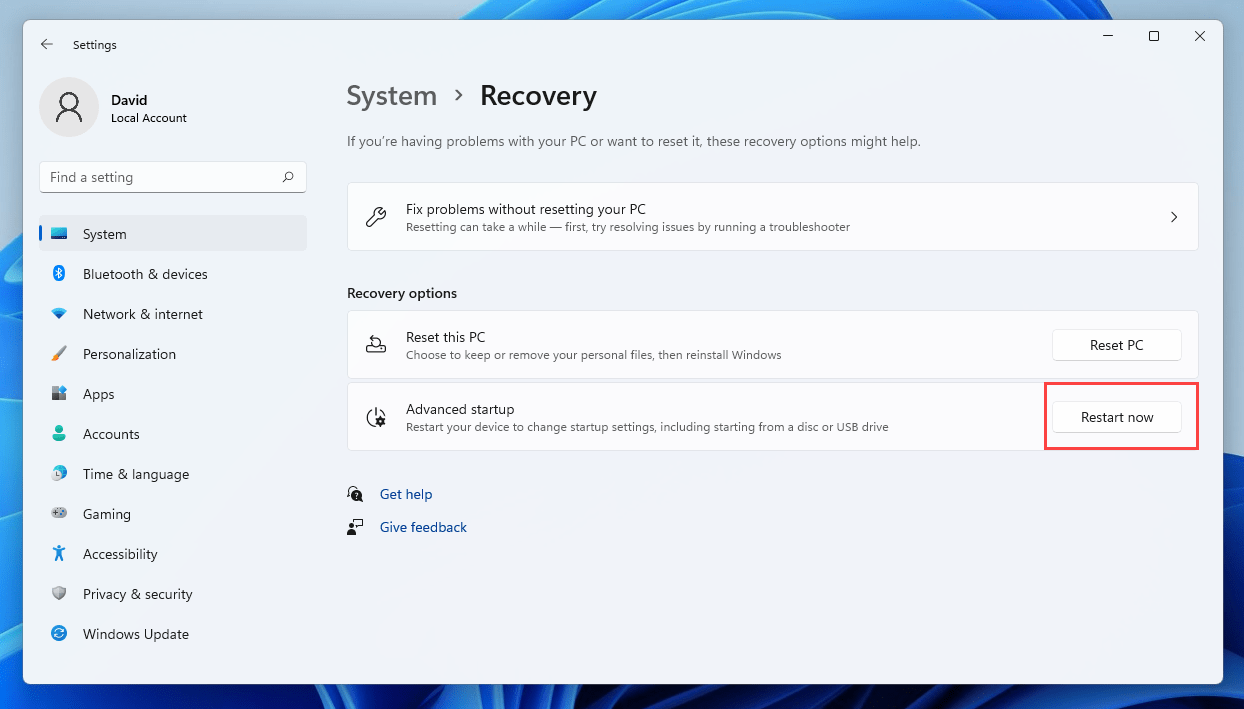
- To restart your computer, go to "Settings" and click on "System", then select "Recovery" and finally click "Restart now".
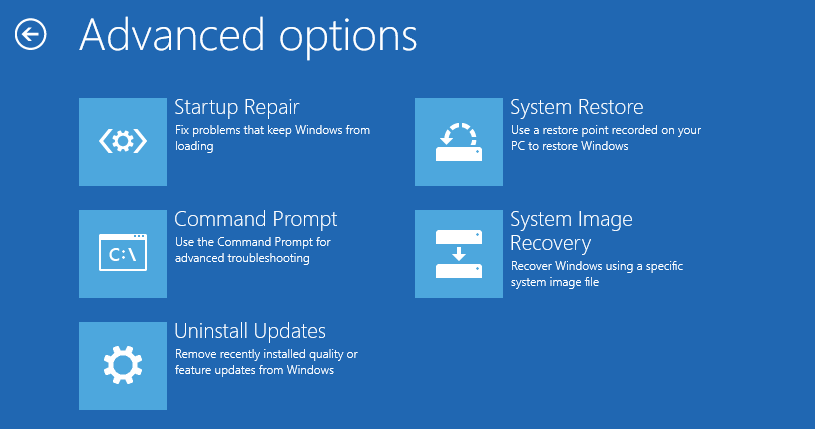
- When your Windows 11 finishes restarting, you will see the "Advanced startup" page.
- At this point, you have two options: System Restore or System Image Recovery. You should choose the one that best fits your backup situation.
- To recover a shifted file in Windows 11, follow the wizard to complete the process. The wizard will guide you through the steps to recover the file, ensuring a successful outcome.
for other Windows
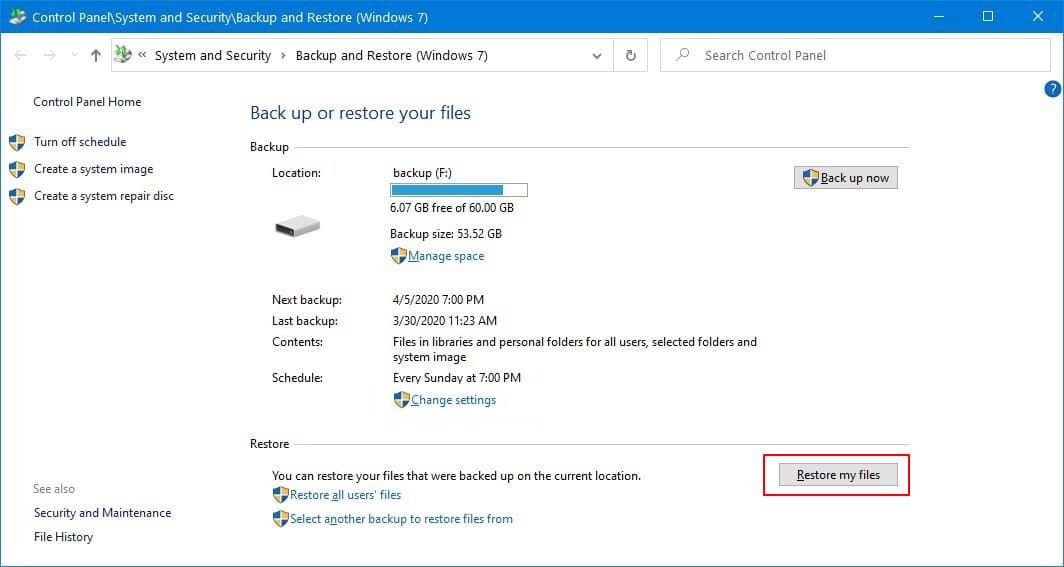
- To start the process, go to the "Control Panel" and select "System and Maintenance" followed by "Backup and Restore". Then, click on "Restore my files".
- Tap "Browse for files" to choose the previously created backup.
- If there's a conflict, you can choose to copy and replace, not copy, or copy but keep both files when saving a backup at a destination. Select the option that suits your needs. If you want to replace the existing file, select "Copy and Replace".
- After deleting files, the restore shift deleted files process will eventually finish, and all permanently deleted files will reappear at the specified location.
Part 4. How to Undelete Shift Delete Files with Software
If all the above-If listed methods failed to recover shift delete files on Windows, you may need professional shift delete recovery software for help. This software will scan your PC, looking for the shift delete files, allowing you to selectively find and recover them.
Deep Data Recovery is a great option for shift delete file recovery Windows because it can recover deleted files from the Recycle Bin, even after emptying it, and from any storage device, including hard drives, solid state drives, and USB drives. It also supports recovery of files from formatted or corrupted storage devices, and can recover files that were deleted using the Shift + Delete keys.
Your Best Software for Recover Shift Deleted Files on Windows 11/10/8/7/XP
- Get back almost all file types used daily, displaying all the recoverable files for you with a user-friendly interface.
- This software is highly effective in recovering files that were deleted using the Shift + Delete function on Windows 11, Windows 10, Windows 8, and Windows 7, without any compatibility issues.
- It can also recover files deleted during cut and paste in Windows PC.
- Before proceeding, it is crucial to ensure that all recoverable files are safe to use. This involves previewing them to verify their integrity and authenticity, thereby preventing any potential risks or issues.
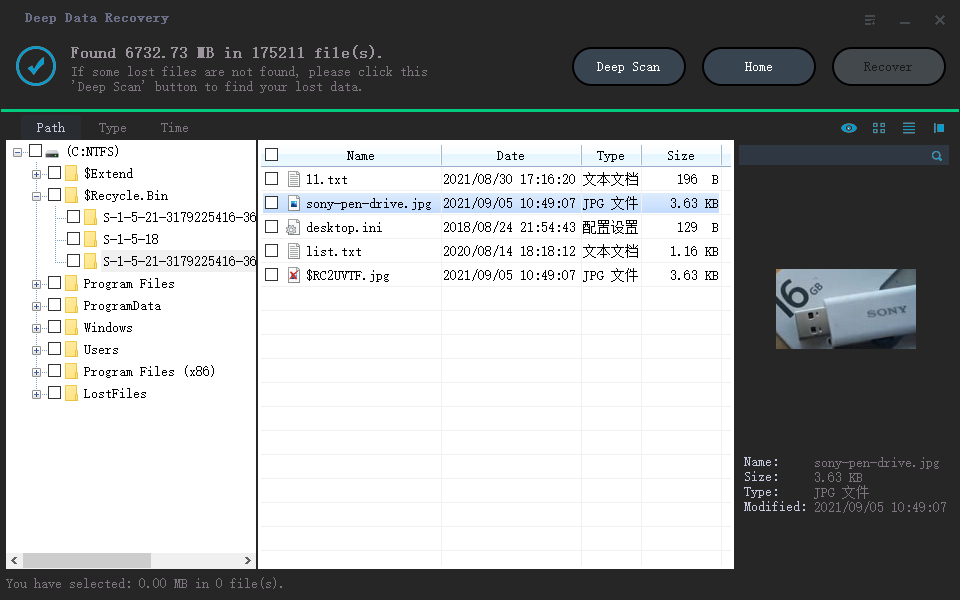
Guide for How to Recover a Shift Deleted Folder/File in Windows 7/8/10/11
- Download the best sift delete file recovery software
- Launch it on your Windows PC.
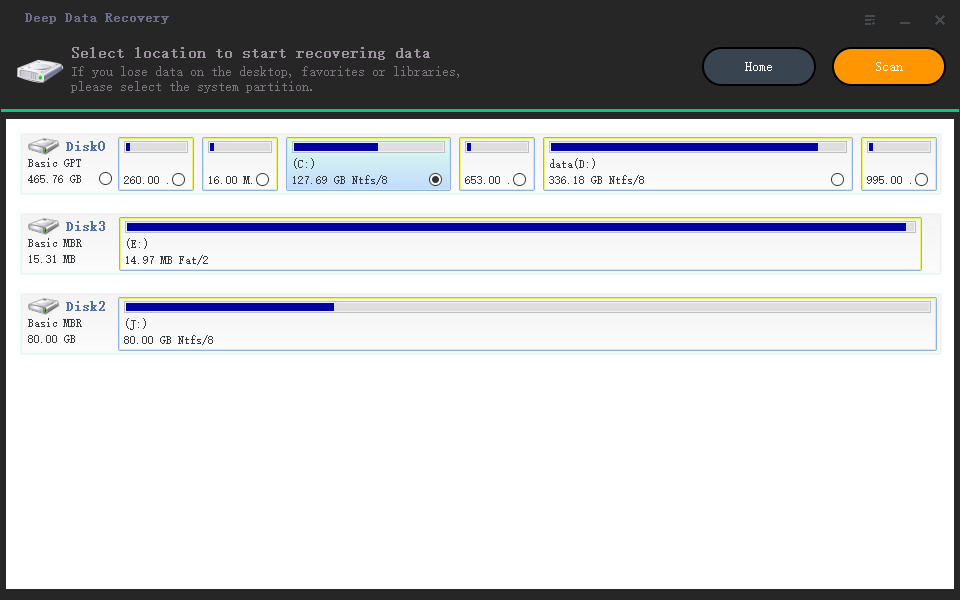
- To scan for deleted files, select the location you want to scan and click the "Scan" button.
- Once the scanning process is completed, preview the recoverable files
- To recover deleted files, select the files you want to recover and click the "Recover" button.
Part 5. Tips for Shift Delete You Must Know (Shift Delete Vs Delete, Prevent Data Loss)
Shift Delete Vs Delete
- If you delete files using the "Delete" button or right-click menu, they'll be moved to the Recycle Bin, where they'll remain until the bin is emptied, allowing you to recover deleted files.
- If you use "Shift + Delete" to delete files, they are permanently deleted and can't be found on your computer. However, you can try to recover them using previous versions, file history, or backup files. If that doesn't work, use Deep Data Recovery software as soon as possible to prevent permanent data loss.
How to Prevent Data Loss?
- To avoid deleting important files, try not to use the Shift + Delete shortcut regularly. Instead, use the regular Delete function, which allows you to restore deleted files from the Recycle Bin, giving you a safety net in case of accidental deletions. This way, you can safely delete unnecessary files without losing them forever.
- To prepare for potential data loss, consider backing up important files to an external hard drive or cloud services. You can use built-in tools like Windows File History or Windows Backup, or schedule regular backups with Qiling Disk Master to ensure your hard drives, folders, and selected files are secure.
Related Articles
- How to Recover Shift Deleted Excel Files from Windows PC
- How to Fix a Windows 11 Installation Error 0x8007007f
- How To Recover Data From SSD In Windows 11
- Free Data Recovery Software for Windows 11
- Restore Deleted Files on C Drive in Windows 10/11/8/7
- Dead SSD Recovery | How to Recover Data from Dead SSD
If your SSD is dead, it's crucial to recover data from it to avoid losing all your files. To do this, you can follow a guide on how to recover files from a dead SSD in Windows 11/10/8/7/XP or Mac. This process will help you retrieve your files despite the SSD being unresponsive.
Products
Articles & Tutorials
- Data Recovery
- Data Backup
- File Recovery
- File Backup
- File synchronize
- System Backup and Restore
- Disk and Partition Clone
- Technical articles
- Disk Master Help
- Windows Deleted File and Disk Recovery Tutorials
- Windows File and Data Recovery Tutorials
- More Windows Tutorials for Install, Security, Files, and PC Tips
- Windows Boot, Repair, and Recovery Environment Tutorials
- Windows Backup Tutorials
- Windows Restore Tutorials
- Windows Clone and Migration Tutorials
- Windows Server Backup, Recovery, and Management Tutorials
- Windows Disk, Partition, and Storage Management Tutorials