How to Fix SD Card Is Blank or Has Unsupported File System
The SD card, also known as Secure Digital Card, is a widely used device for transferring data between devices and storing data, particularly in smartphones and digital cameras, where it expands the devices' default memory capacity.
Before formatting the card, try RAW SD card recovery to copy important files first.
The SD card, a popular data storage device, is prone to data loss issues due to improper handling. Over time, or with frequent use, the SD card may become damaged, resulting in the 'SD card is blank or has unsupported file system' error. This error can prevent access to data on the micro SD card, potentially leading to data loss if not handled correctly.
- Quick Navigation
- Part 1. Why the 'SD Card is blank or had unsupported file system' error happens
- Part 2. How to fix 'SD Card is blank or has unsupported file system'
Part 1. Why the 'SD Card is blank or had unsupported file system' error happens
The "SD Card is blank" error does not mean the card is blank, but rather that the phone or device cannot read or recognize it. This issue can be caused by various factors, including corrupted files, formatting issues, or hardware problems with the SD card or device.
- Connecting your SD card to a device that was infected by a virus or other malware can potentially spread the infection to the new device. This is because the SD card can act as a vector for the malware to be transferred to the new device, allowing the malware to continue to cause problems.
- If you suddenly pull out the SD card from a device while it's in use, it can cause data loss and corruption. This is because the device is still accessing the SD card for data, and the sudden removal can disrupt this process.
- The issue arises when the SD card is not properly removed from the device in which it is found, leading to potential data corruption and other problems. This can occur if the device is shut down or restarted without first safely ejecting the SD card, or if the card is pulled out while the device is still powered on.
- Switching the SD card use between different operating systems.
- The corruption of the file system.
- he presence of bad sectors in your SD card.
The main reason your micro SD card is blank or has an unsupported file system is due to improper operations and poor handling of the card, which can cause the file system to become corrupted or unreadable.
To prevent the error of a micro SD card being damaged, it's essential to handle it with care and follow the proper insertion and ejection procedures after use on different devices. This includes avoiding excessive force, bending, or flexing the card, and making sure it's securely inserted into the device before use.
Part 2. How to fix 'SD Card is blank or has unsupported file system'
Given that the error doesn't necessarily mean the SD card is blank, there's still a chance to fix it and retrieve data. Here are 5 ways to remedy the issue.
1. Reboot the Device with an SD card in it
Inserting the SD card into your device and then rebooting it can sometimes resolve issues, including the error you're experiencing. Try this approach and see if it resolves the problem.
2. Show Hidden files on your SD card
To use this method, you need to connect your SD card to your computer with an SD card reader. Ensure the computer detects the SD card.
On Windows 7, 8, 10, and 11
- Click on the control panel then go to programs.
- Afterwards, go to Appearance and personalization.
- To show hidden files and folders in Windows, click on File Explorer Options, and then select the "Show hidden files and folders" option.
- In the Advanced settings, select the option to show hidden files, folders and drives, click apply and then OK.

On Mac
- Open the SD card in the Finder.
- Press the Command, Shift, and Period buttons simultaneously.
This will make the files and folders appear on your Mac (they appear partially transparent).
3. Run chkdsk to fix errors in SD card
To use the SD card in a card reader, insert your SD card into the reader and connect it to a computer. Ensure the computer detects the card. Then, you can access the SD card's contents and transfer files to your computer. This method allows you to view and manage the SD card's files directly on your computer.
To run a check on your SD card, open the command prompt as an administrator, then type in 'chkdsk d: /f' (replacing 'd' with the drive letter of your SD card).
To resolve the SD card error, start by putting the SD card in the phone and beginning the process of updating the card's file system. This process can take some time, so be patient and do not interrupt it once started. Once the process is complete, safely disconnect the SD card and attempt to use it again on the phone or other device, which should resolve the error.
4. Recover data from SD card
If the above methods don't work, you may need to use intermediary memory card recovery software to recover your SD card data. Deep Data Recovery is a safe and efficient software that can recover a wide range of file types, making it a reliable option. It's easy to use, requiring no special training or expertise, and is compatible with both Mac and Windows operating systems. The software offers two scanning modes - quick scan and deep scan - to ensure successful data recovery processes.
- To recover your data, download and install the Deep Data Recovery software, which is compatible with both Mac and Windows operating systems, depending on your device.
- Connect your SD card to your computer using an SD card reader.
- By default, all file types are selected, but if you want to focus on a specific type, click 'go to setting' to unselect the others and proceed. Alternatively, if you need to restore a different file type, select 'All file types'.
- Select the SD card as the recovery location, and the scanning process will start, which is a quick scan by default.
- After the scanning process is complete, a list of search results appears on your computer screen. Review the files to ensure everything you need is present. If your file is not found, proceed with a deep scan, which is a more intense search that takes longer than a quick scan.
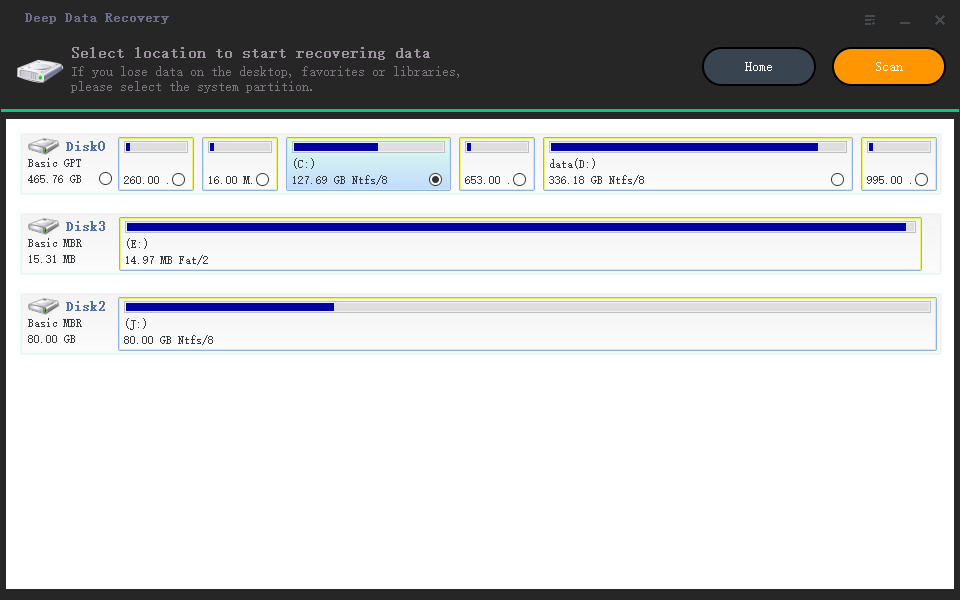
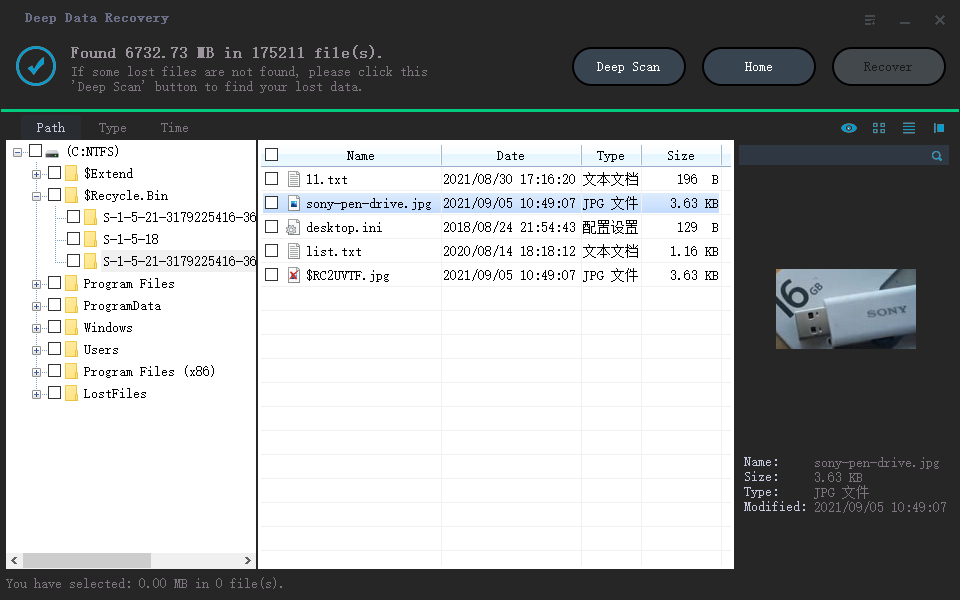
To retrieve data from an SD card with the 'SD card is blank or has unsupported file system' error, use Deep Data Recovery. The process is completed in just three steps: select the SD card, scan for data, and recover files. Once completed, you should be able to get your files back.
5. Format SD Card to fix issues
After trying all other methods to no avail, the last resort is to format the SD card, which will wipe off all data and require you to use a previous method to recover your data before proceeding. To format the SD card on your computer, you can insert the SD card into a card reader and connect it to your computer, then go to "This PC" or "My Computer", right-click on the SD card icon, and select "Format" to initiate the formatting process. This will erase all data on the SD card, so make sure to recover any important files before formatting.
Connect your SD card to your computer using an SD card reader, and verify that it is recognized by your computer.
On Windows,
- Double click the 'This PC' icon to open Windows Explorer, or hold down the 'Windows + E' buttons at the same time.
- Locate your SD card, right-click on it and select 'Format'.
- Select the file system you want and click on Start to begin the process.
On Mac,
- Launch the Disk Utility app.
- Choose your SD card.
- Select the Erase function.
- You can enter the name of the SD card if you want, it's not required. The system will automatically assign a name if you don't specify one.
- Select the file system format and finally erase.
This tutorial will guide you through fixing the 'SD card is blank or has unsupported file system' error. To avoid this issue from happening again, handle your SD card with care. If you're still unsure about how to proceed, it's best to seek further guidance.
Related Articles
- Fix Unable to Format SD Card/Pen/Flash Drive
- Clone Raspberry Pi SD card in Windows
- External Hard Drive Not Recognized
- [Fix] Convert External Drive to APFS Failed/Greyed Out/Not Available
- How to Fix Locked SD Card and Recover Photos
- Move Hard Drive to New Computer in Windows 7/8/10 without Reinstalling
Learn the key steps, checks, and practical tips for this related guide. - SD Card Not Showing Up in Windows 7/8/10: Fixes
Fix an SD card that is not showing up in Windows 7, 8, or 10 by checking the connection, assigning a drive letter, repairing the file system, updating drivers, or formatting after data recovery.
Products
Articles & Tutorials
- Data Recovery
- Data Backup
- File Recovery
- File Backup
- File synchronize
- System Backup and Restore
- Disk and Partition Clone
- Technical articles
- Disk Master Help
- Windows Deleted File and Disk Recovery Tutorials
- Windows File and Data Recovery Tutorials
- More Windows Tutorials for Install, Security, Files, and PC Tips
- Windows Boot, Repair, and Recovery Environment Tutorials
- Windows Backup Tutorials
- Windows Restore Tutorials
- Windows Clone and Migration Tutorials
- Windows Server Backup, Recovery, and Management Tutorials
- Windows Disk, Partition, and Storage Management Tutorials